More Stories
From the Blog

2020 Best of Home Care Awards
Solutions for Living at Home, a ministry of Still Hopes Episcopal Retirement Community, announced today that it has received both the 2020 Best of Home Care® – Provider of Choice and Employer of Choice Awards from Home Care Pulse. These awards are granted only to the top-ranking home care providers, based on client and caregiver satisfaction scores gathered by Home Care Pulse. Solutions for Living at Home is now ranked among a small handful of home care providers across the country who have proven their ability to provide an exceptional working experience to employees and the highest quality care to clients.“We want to congratulate Solutions for Living at Home on receiving both the Best of Home Care – Provider of Choice Award and the Best of Home Care – Employer of Choice Award,” says Erik Madsen, CEO of Home Care Pulse. “Since these awards are based on real, unfiltered feedback from clients and caregivers, Solutions for Living at Home has proven their dedication to providing a great work environment and solid training to employees, while maintaining their focus on client and caregiver satisfaction. We are pleased to recognize their dedication to quality professionalism and expertise in home care.” Best of Home Care providers have contracted with Home Care Pulse to gather feedback from their clients and caregivers via live phone interviews each month. Because Home Care Pulse is an independent company, it is able to collect honest and unbiased feedback. “These two awards are a validation of the hard work that our team members and caregivers provide on a daily basis to our clients in Columbia, Lexington, West Columbia and Cayce and the counties neighboring Richland and Lexington,” says Esther Ilderton, Director of Solutions for Living at Home. “Our passionate, well-trained staff is dedicated to providing the Midlands area’s best possible in-home care to our clients, building on our legacy of compassionate care for older adults at Still Hopes that spans more than 40 years.”“Our goal at Home Care Pulse is to empower home care businesses to deliver the best home care possible,” says Erik Madsen, CEO of Home Care Pulse. “We are happy to recognize Solutions for Living at Home as a Best of Home Care award-winning provider and celebrate their accomplishments in building a team of happy, qualified caregivers who provide outstanding care for their clients.”To find out more about Solutions for Living at Home’s commitment to excellence, please visit https://solutionsforlivingathome.org/ or call (803) 223-6173 for more information.###About Solutions for Living at HomeSolutions for Living at Home is Columbia’s leading provider of in-home care services. Within the Midlands areas surrounding Richland and Lexington counties, including Columbia, West Columbia, Lexington and Cayce, Solutions for Living at Home can assist you during respite care, recovery from surgery or chronic illness, help you with an aging parent, or just provide a helping hand with simple chores and responsibilities. Available 24/7, we understand the needs of each client are different. Our highly trained staff will work closely with you, your family and your healthcare providers to develop and deliver a specialized plan that is just right for your needs and circumstances. For more information, please visit https://solutionsforlivingathome.org or call (803) 223-6173 for more information. About Home Care PulseHome Care Pulse is the home care industry's leading firm in satisfaction research and quality assurance. On behalf of home care businesses across North America, Home Care Pulse gathers unbiased satisfaction ratings from clients and caregivers and detailed feedback to ensure the best in-home care possible can be provided. Powerful online reports allow businesses to identify needs and take action to increase satisfaction, reduce caregiver turnover, and address client needs. For more information, please call Home Care Pulse at (877) 307-8573 or visit homecarepulse.com.
2023 Best of Home Care Awards for Compassionate and Quality Home Care
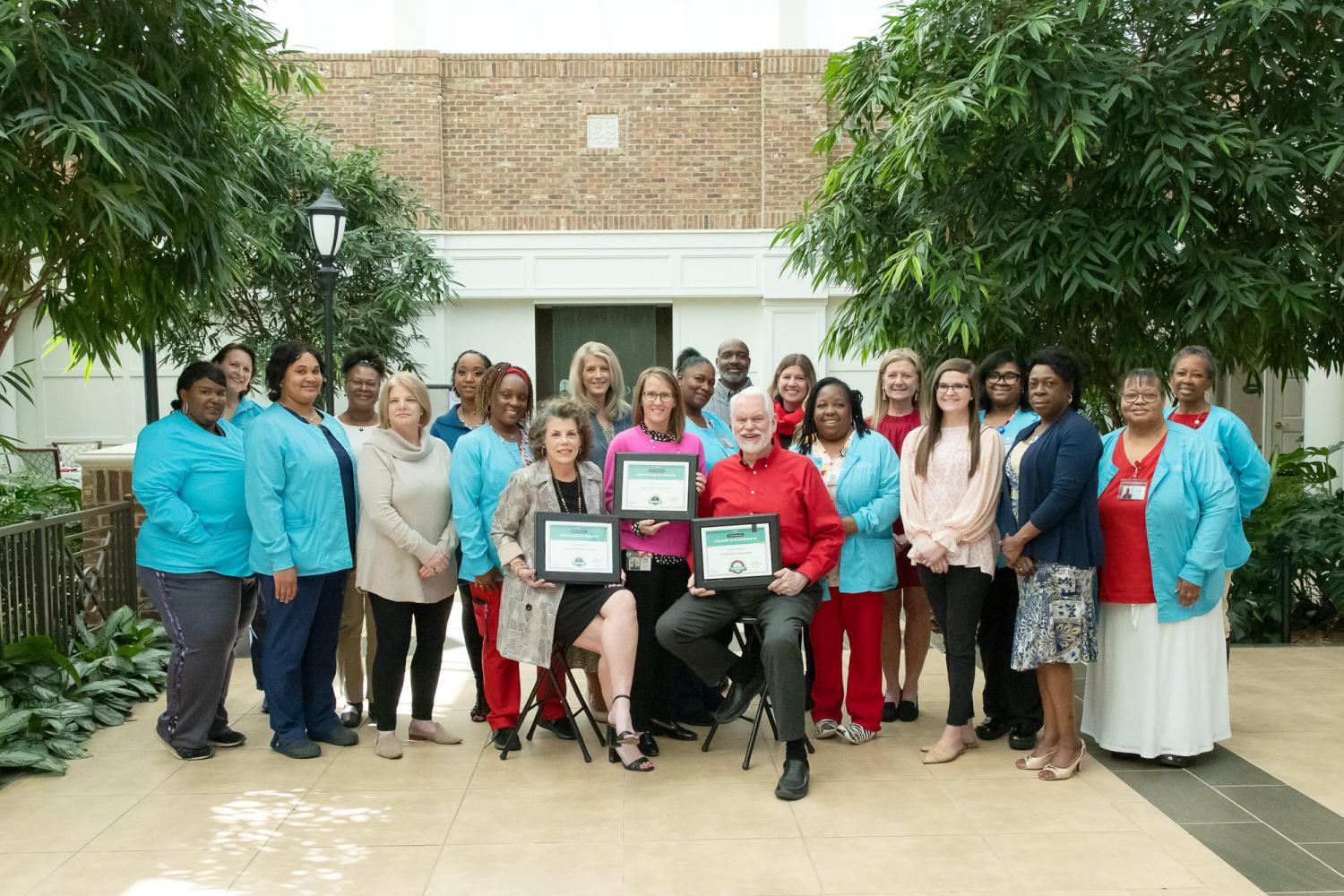
Since 2007, Solutions for Living at Home, a ministry of Still Hopes Episcopal Retirement Community, has been providing compassionate and quality home care to individuals of all ages with varying circumstances and needs. Our goal is to exceed the needs and expectations of those we serve in the Midlands and surrounding counties. Solutions for Living at Home recently received the distinguished 2023 Best of Home Care - Leader in Experience, Provider of Choice, and Employer of Choice Awards from Home Care Pulse, the leading firm in experience management for home care businesses and endorsed by the Home Care Association of America. The Leader in Experience Award is the highest recognition awarded and is given to select home care businesses that consistently rank among the very highest in IO or more quality metrics. As a Leader in Experience, Solutions for Living at Home is now recognized among the top 10% of home care providers participating in the nationwide HCP Experience Management Program. This accomplishment demonstrates Solutions for Living at Home's long-term dedication to excellent care and quality improvement. To qualify for this award, 10% of Solutions for Living at Home's clients and caregivers were interviewed each month by HCP. Over a 12-month period, Solutions for Living at Home received high client and caregiver satisfaction ratings in areas such as caregiver training, compassion of caregivers, communication, scheduling, client/caregiver compatibility, and more. Using feedback from clients and employees, as well as quality benchmarks from HCP, the Solutions for Living at Home management team set goals to reach the highest level of experience possible. Esther H. Ilderton, Director of Solutions for Living at Home said, "Receiving the 2023 Best of Home Care Leader in Experience Award, Provider of Choice Award and Employer of Choice Award is an honor and recognizes the dedication and hearts of our caregivers, scheduling team and administrative staff who continually strive to provide the best in home care services.” "At Home Care Pulse, our mission is to help home care businesses create an experience that goes beyond client and caregiver expectations," says Todd Austin, President of HCP. "When we see agencies like Solutions for Living at Home that have so effectively provided outstanding care and employment experiences, we know we're on the right track. Solutions for Living at Home has worked extremely hard to prioritize high-quality care and employment, and their work hasn't gone unnoticed. This award allows them to show proof of quality to potential clients and caregivers.” Whether simple or challenging, Solutions for Living at Home is available to partner with you for your home care needs.

3 Kinds of Arthritis That Affect Older Adults
About a third of people with arthritis say that arthritis pain makes it difficult for them to do the things they enjoy. A quarter of them say that the pain is severe. Arthritis isn’t a single disease. It is a group of more than 100 diseases that affect the joints. Below are 3 common kinds of arthritis. Osteoarthritis Osteoarthritis is the most common kind of arthritis. It happens because of the “wear and tear” that joints are exposed to with use. It usually develops as a person ages, but it can be caused by injuries to joints and the stress placed on joints by obesity. The joints that are normally affected are those that bear weight, such as the knees, spine, feet, and hips. Osteoarthritis happens when the cartilage that protects the bones in joints breaks down. A senior with osteoarthritis may experience the following symptoms: Aching pain. A feeling of stiffness in the morning that usually goes away in about half an hour. Feeling stiff after resting for a while. Pain during walking. Gout Gout is caused by having too much uric acid in the body, which leads to uric crystals developing in the joints. The crystals cause inflammation and pain in the joints. Gout most often occurs in the joints of the big toe or in other parts of the foot. Many times, the older adult will be woken in the night by extreme pain in their foot. A gout attack may last from 3 to 10 days. Initially, the attacks are sporadic but happen more often over time. Symptoms of gout include: Severe joint pain. Pain in the joint even after the severe pain goes away. Redness, swelling, and tenderness in the joint. Stiffness in the joint. Rheumatoid Arthritis Rheumatoid arthritis, or RA, is considered an autoimmune disease because the body’s immune system mistakenly attacks the joints. This leads to inflammation and damage to the joints. Some people with RA develop rheumatoid nodules, which are bumps that form on the skin, usually over the knuckles, heels, and elbows. Symptoms of RA may happen suddenly and are often worse than the symptoms associated with osteoarthritis. Some of the symptoms of RA are: Pain, stiffness, and swelling in more than one joint. Symptoms occur on both sides of the body, so if the right wrist is affected, the left one will be also. Stiffness in the morning that can go on for hours or for the majority of the day. Elder care can assist seniors with arthritis regardless of the form they have. Elder care providers can help with tasks that are difficult because of arthritis pain, such as dressing, cooking, and cleaning. Arthritis pain may make walking difficult and lead to falls, but an elder care provider can help your aging relative If you or an aging loved-one are considering in-home elder care in Columbia, SC, please talk to our caring staff. Call today (803) 223-6173.

7 Ways to Beat This Heat
Have most of you basically melted into a puddle by this point? Because we have. With temperatures frequently topping 100 degrees in the last couple of weeks, it is safe to say it’s officially summer in the south. While the hot temperatures definitely make for some fun days out at the lake, beach or pool, it’s also important to know how you can keep yourself safe in this heat. Check out the Top 7 Ways to beat the Heat and Say Cool During the Summer, according to lifehacker.com: 1) Know your body’s best cooling points If you’re trapped in the heat and aren’t able to find a cooler place, then you can apply an ice pack, or cold towel to your cooling points. This can include wrists, forehead, etc. By knowing your cooling points, you’ll be able to cool yourself off faster and more effectively. 2) Keep your room cool Sleeping in the heat is the absolute worst because it often prevents you from getting the proper rest that you need in order to function the next day. Try closing off your bedroom door to keep the air in or maybe even getting a box fan to circulate more cool air. 3) Exercise comfortably Try to get a gym membership and avoid exercising in the heat. But if that’s not something that is possible, try to exercise early in the day before the hottest temperatures set in. There are some great alternative exercises such as swimming and various other water sports that can definitely get the job done. 4) Avoid eating hot foods Eating anything hot will only amplify the effects of the heat. 5) Get a portable fan 6) Take precautions to avoid excessive sweat There are tricks you can use to counter excessive sweating. You can try putting on deodorant the night before. Your sweat glands are more active in the morning which causes your deodorant to be less effective. 7) Drink more water We tend to sweat a lot more in the summer so it is important to stay hydrated. To be safe, you should follow the 8 by 8 rule which states that you should drink eight 8-ounce glasses of fluid a day. If water isn’t your favorite, try to add some flavor packets to make it taste better. ** Also, another way to boost your hydration is by eating foods that have a high water content. Raw foods are great for the summer, especially berries which happen to be readily available this time of year. Some great options are: Strawberries Cucumbers Courgettes Celery Lettuce Melon We hope you enjoyed this article and found it useful to help keep you comfortable this summer season!

APRIL - National Donate Life Month - Have Your Parents Talked About Being an Organ Donor?
For April's National Donate a Life Month, it's a good time to talk about your parents' wishes. Each day close to two dozen people die while waiting for a needed organ to become available. Only 3 out of every 1,000 people who die do so in a way that makes organ donation possible. Organ donation saves lives. Do you know your parents' wishes if something happens? This should be part of your conversation about aging. Do they want to be an organ donor? Is paperwork in place to make sure this happens? Here are questions families often have. What Are the Age Restrictions for Organ Donations? There is no age limit on organ donation. According to the U.S. Department of Health & Human Services, the oldest organ donor was in his 90s when his liver was donated to a woman in her 60s. His donation saved her life. What Donations Can Be Made? When you choose to become an organ donor, your organs, corneas, body tissue, stem cells, bone marrow, blood, and skin can all be donated. There are cases where the tissue, skin, and blood vessels of the face have been used in face transplants. The options are endless if the organ, tissue, or other item is able to be donated in time. Don't You Have to Be Healthy? Medical conditions are not always a factor in stopping you from being a donor. The transplant team can determine which, if any, organs and body parts can be donated. The only things that may prevent donation are cancer, HIV/AIDs, and certain infections. How Do You Sign Up? When your parents get their driver's license renewed, most states allow that information to be placed on the license. If they don't have licenses, you can sign up to be an organ donor at organdonor.gov. In addition to conversations about organ donation, you should talk to your parents about their medical wishes if they can't speak for themselves. They should have an advance directive on file. They should designate a medical power of attorney. They also need to sit down and talk about their plans for aging. The time may come when your parent needs home care. Make sure you know what they want. Do they want family caregivers at all or do they feel better hiring professional caregivers? Once you know their wishes, call a home care agency to learn about pricing and services. If you or an aging loved-one are considering Senior Care in Cayce, SC, please talk to our caring staff. Call today (803) 223-6173. Sources: https://www.organdonor.gov/about.html https://www.donatelife.net/ndlm/
Brainstorming Activities for Homebound Seniors
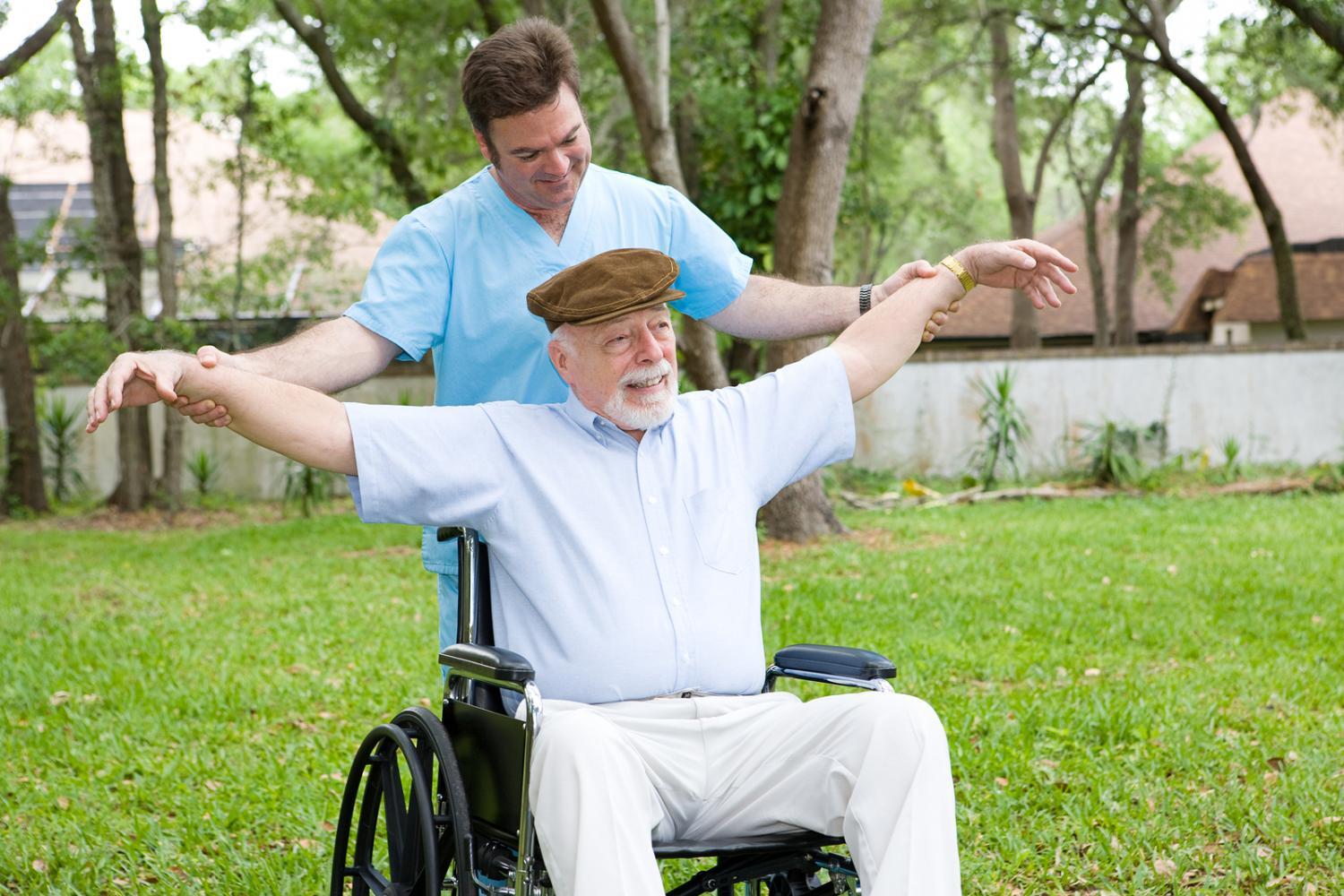
There’s only so much television that seniors want to watch before they grow irritable, restless and isolated. Even having a home care provider come to assist your elderly relative every day doesn’t mean they won’t get bored from time to time. If you want to ensure your aging loved one stays active and engaged, make plans for indoor age-appropriate activities that meet their needs. With some careful planning and help from their home care provider, your aging loved one can choose from a number of activities that boost their quality of life. Here are a few ideas for activities for your aging relative that they can do either alone or with help from their home care provider. Purge Unwanted Items and Donate to Charity Almost everyone has closets or drawers full of items they no longer need or want. Clearing out clutter is always a good idea and donating usable items to charity is a great service. Cleaning out the kitchen cupboards or pantry is a task often overlooked, and people usually agree that such a task is long overdue. Even organizing storage spaces such as these is a positive way to spend long days and will leave your relative feeling like their home is neat and tidy. Sometimes if an elderly Explore a New Hobby It sounds cliché but there are so many fun hobbies out there. Seniors can go beyond knitting or building models to some interesting and rewarding hobbies. Examples include birdwatching, making jewelry, writing poetry, photography, yoga, terrariums and origami. Sometimes, aging adults want to pick up a long-lost hobby again, such as playing the piano or journaling. Whether alone, with you or with their home care provider, your elderly relative is likely to enjoy some exposure to new pastimes. Work Out for Better Health It’s never too late for aging adults to focus on boosting their health. No matter what your relative’s condition, they can benefit from regular activity and exercise (once approved by their doctor). From tai chi and yoga to water aerobics, there are many fitness programs geared toward seniors. Even those with limited mobility can be more active using light weights and doing stretches, seated pedals, and chair aerobics. Part of getting fit is a healthy diet, and your elderly loved one can work with you or their home care provider to plan menus that boost nutrition and eliminate unhealthy options. When elderly adults become too bored and not challenged they run the risk of loneliness, poor health, depression and even early mental decline. Family caregivers can play a big role in helping their aging loved ones fill their days with stimulating and fulfilling activities. If you or an aging loved-one are considering a Home Care in Forest Acres, SC, please talk to our caring staff. Call today (803) 223-6173.

Bridging the Gap Between Your Teens and Your Parents
Finding a way to get your aging parents and teens to connect is tough. Teens have their own interests. In a 2019 survey from a marketing agency that focuses on reaching teens and young adults, the top five teen interest were as follows. Smartphones (Gaming, watching videos, and socializing) Video Games (Call of Duty: Black Ops 4, Minecraft, League of Legends, and Sims 4 were bestselling) Sports (Playing and watching) Food (Pizza, tacos, and sushi were favorites) Books (Fantasy topped the list of interests) With this information, you can come up with ways to bridge the gap between your teens and your parents. Here are some ideas. Get Them Playing Games Together Many games today seem to be more like movies than games. If your parents enjoy watching movies, get your teen to play a game like Firewatch. The plot of the game and graphics create a movie-like feel that makes the game just as much fun to watch as it is to play. If your parents like to play games, too, your teen could find two player games that they could play together. Spend a little money on the replica Atari or NES consoles that have dozens of games loaded onto one unit. Your parents will remember many of the games, and your teens will love the look at how far video games have come. Read Books, Chat, and Watch the Movies If your teens like to watch, have them share some of the books they liked the most. Have your parents read them too. When everyone is done, see if there's a movie adaptation and watch it together. Some of the current young adult books that have movies include the Hunger Games series, haunting movies like If I Stay, or upcoming movies from books like All the Bright Places. After going through young adult books, switch to books your parents loved that are movies. Harrison Ford is starring in an upcoming release of Call of the Wild. To Kill a Mockingbird by Harper Lee is a great book and the movie was also exceptional. While your teens and parents are busy having fun together, you'll be able to focus on the other tasks around the house. Get meals prepared for the week or do the laundry. Caregivers are another important tool when it comes to your parents' care. You shouldn't overwhelm yourself. Senior care services place a caregiver with your parents. While they're getting the help they need, you'll have time to visit friends, tend to your own needs, or run errands. Call a senior care agency to make arrangements. If you or an aging loved-one are considering Senior Care in Columbia, SC, please talk to our caring staff. Call today (803) 223-6173. Sources: https://www.prnewswire.com/news-releases/the-10-most-popular-things-for-teens-in-2019-300783768.html
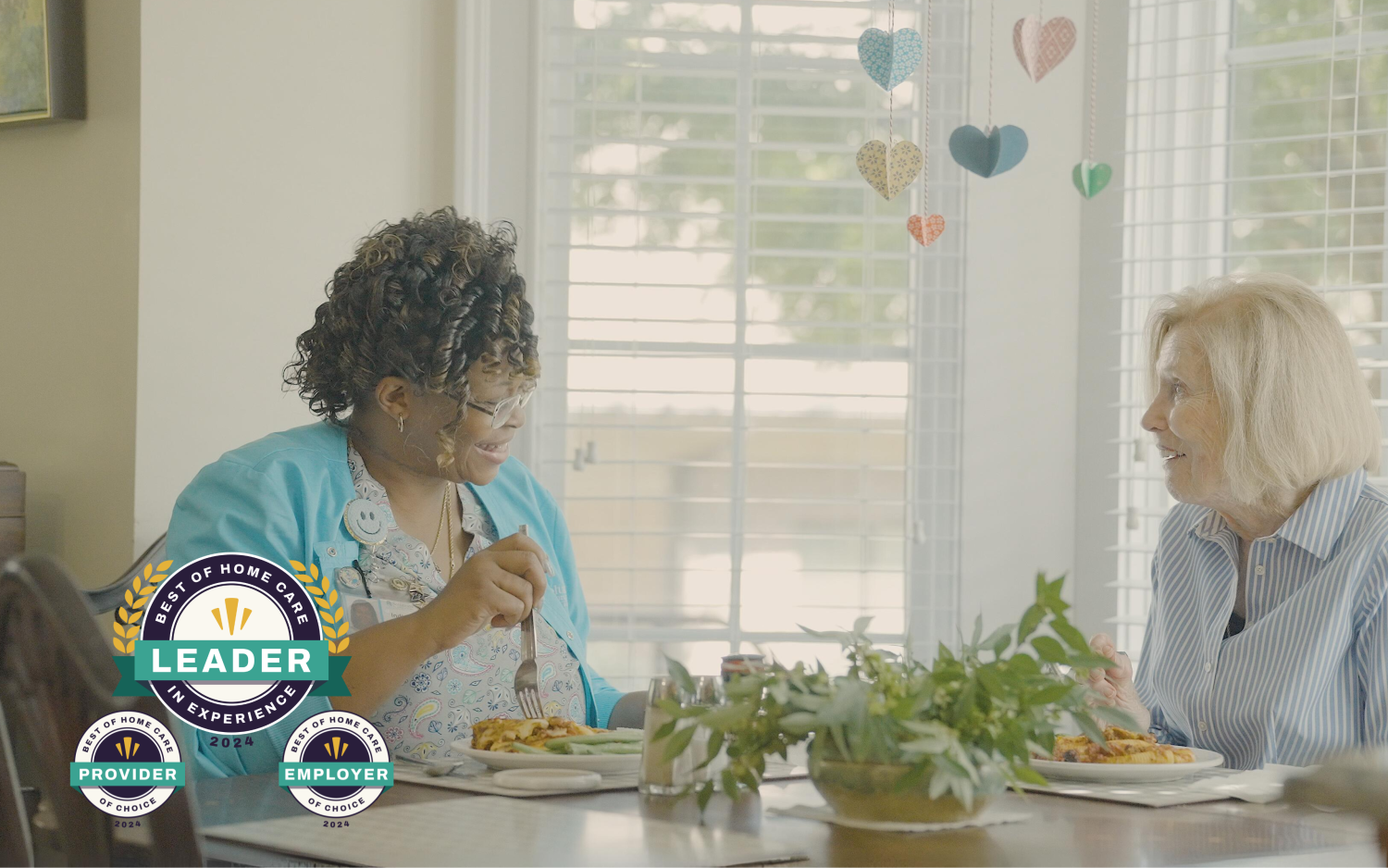
Celebrating Excellence: Solutions for Living at Home's Triple Crown Achievement
In a remarkable showcase of dedication and service excellence, Solutions for Living at Home has once again set a benchmark in the home care industry by clinching all three prestigious awards from Home Care Pulse for the second consecutive year. The 2024 Best of Home Care – Leader in Experience, Provider of Choice, and Employer of Choice awards are a testament to the unparalleled commitment that Solutions for Living at Home has towards delivering exceptional care and fostering a supportive work environment. Standing out as the only home care agency in the Midlands region and one of only four in South Carolina to achieve this honor, Solutions for Living at Home exemplifies a new expectation of quality care and service. This achievement not only underscores their position in the top 10% of home care providers nationwide but also highlights their unwavering dedication to excellence in client and caregiver satisfaction across various dimensions, including caregiver training and communication. As we celebrate these back-to-back accolades, it's a moment to reflect on the hard work, dedication, and compassion that the entire team at Solutions for Living at Home brings to their work every day. Their commitment to making a difference in the lives of those they serve is what sets them apart and cements their status as a leader in the home care industry. Congratulations to Solutions for Living at Home on this outstanding achievement, and may they continue to lead with excellence, compassion, and dedication, setting new standards in the provision of quality home care services.

Could Working at Home Help You with Caregiving?
When you’re spending time away from your senior at a full-time job, it’s difficult to be the caregiver that you want to be. Working from home could give you the opportunity to be there with your senior in a way that you wouldn’t be able to do when you’re working outside the home. This could be a solution for you both. Talk to Your Employer about Possible Options The first step is to talk to your current employer. You can find plenty of jobs that allow you to work from home, but your existing employer might be far more flexible than you thought at first. Once you know what your options are, you can look at how those options fit into your life and how they can help you to meet your senior’s needs. Working from Home Can Give You Flexibility The main reason for you to give working from home a chance is that it offers you much more flexibility. When you’re right there with your aging family member, you can take care of much more for her. You may have to set aside specific times that are just earmarked for work, though. You Might Need to Juggle a Bit Even with all the flexibility, you might find that there’s more juggling than you expect once you start working from home. You may want to consider getting some extra help, especially from elderly care providers. They can help you to manage all of the various tasks that still need to be done, no matter where you’re working from at any given time. It’s Even More Important for You to Focus on Self-care Working from home means that you need to focus even more on self-care. Caregivers already tend to neglect this, so it’s crucial that you make the time to take better care of yourself. Elderly care providers can help you with this, too. They can help you to make sure that you’re taking time away from both work and from caregiving so that you can recharge and be ready to dive back in. For lots of caregivers, working from home helps them to continue to make a living while also caring for their senior family member. You may have a lot more options with this than you realize, especially if you’re already working for a company that encourages telecommuting. It’s at least worth looking into to determine if it’s something that could be possible. If you or an aging loved-one are considering Elderly Care in Forest Acres, SC, please talk to our caring staff. Call today (803) 223-6173.

Create a Senior Emergency Plan for Any Natural Disaster
While the thought of a natural disaster is scary, most people don’t make serious emergency plans for themselves or their elderly loved ones. The good news is that there are plenty of things that family caregivers can do to get their aging relative prepared for all kinds of emergencies. Taking the time to plan now will help keep seniors safe during natural disasters. What Natural Disasters Should Seniors Plan For? After evaluating the kinds of risks for their particular geographic area, family caregivers can create a basic emergency plan to prepare for the day that the unthinkable actually happens. The most common natural disasters that take place in North America include: Flood Earthquake Tornado Hurricane Wildfire Extreme winter weather Volcano Localized emergencies that can also create the need for an emergency plan include: House fire Gas leak Chemical spill Thunderstorm damage Hazardous material spill from industrial accident Train or aviation accident Terrorist attack With an effective senior emergency plan, family caregivers must consider all the aspects that affect their elderly relative to be able to either shelter in place or evacuate. Considerations for a Senior Emergency Plan Local emergency services like the police department or fire department are excellent resources for family caregivers who want to make an emergency plan for their aging loved one. Online resources can also help family caregivers create a realistic and robust emergency plan that contains ideas for either evacuation or sheltering in place. Of course, they must consider their aging loved one’s living situation, physical and cognitive ability and who might be with them in the event of a natural disaster. When an emergency plan calls for an evacuation, family caregivers must consider the elderly adult’s physical abilities. If they are mobile, they may be able to get themselves out of the house, perhaps with the assistance of an elder care provider. However, if they are not mobile, the emergency plan should consider incorporating a sled, wheelchair, pad or other evacuation equipment for them. If they are sheltering in place, the plan must include some kind of alarm signal or other method to alert rescuers that the person inside needs assistance. Create an Emergency Kit for Elderly Adults For most people, an emergency kit is essential and family caregivers can have one prepared for their elderly loved one. The emergency kit should have a basic supply of water, food, clothing and any personal necessities like spare medication, a list of emergency contacts, some cash and a medical history paper. Many seniors also need a pet emergency kit to meet the needs of their canine or feline companions. It’s not enough to create an emergency plan for natural disasters once and then forget about it. Emergency preparedness must be ongoing and reviewed periodically with the aging adult and the elder care provider. Natural disasters always happen without warning, so a senior’s best chance of emerging safe and unharmed often depends on having an excellent emergency plan in place. If you or an aging loved-one are considering Elder Care in Columbia, SC, please talk to our caring staff. Call today (803) 223-6173.

Do you know someone who is planning to have surgery?
Do you know someone who is planning to have surgery? Solutions for Living at home offers Hospital/Transitional Care including assistance with discharge/rehab instructions, medication reminders, and appointment coordination.
Don’t Forget About Your Elderly Relative’s Post-Surgery Care
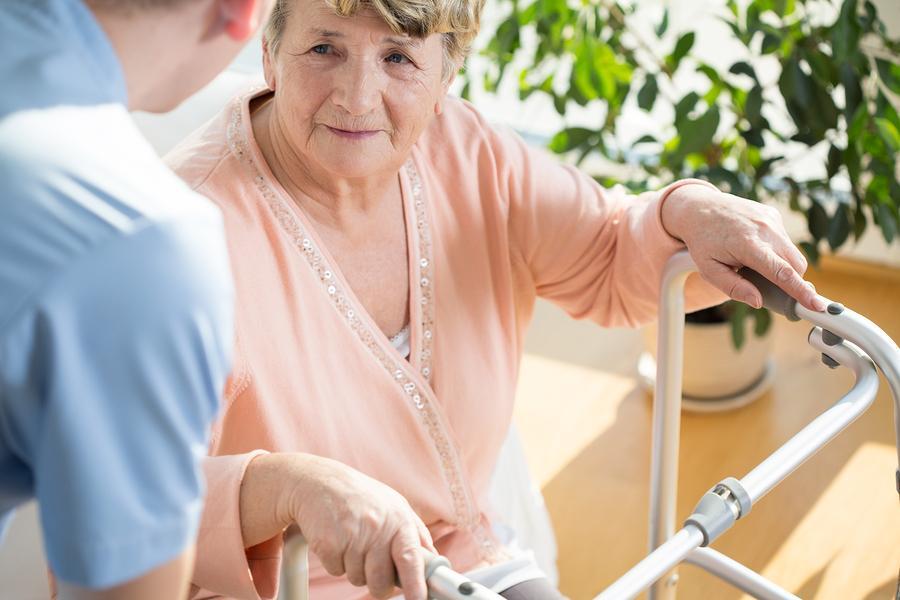
With old age comes a range of physical ailments and chronic conditions that often need surgery to correct. It’s common for seniors to have surgery for health issues such as cataracts, varicose vein removal, joint replacement, cancerous tumor removal, spine surgery, gallbladder and ulcers. While the surgeries can often help with the elderly adult’s medical issues, recovery can present its own set of challenges. Many elderly adults need help from family caregivers and home care providers during the weeks after their surgery. Why Is Recovery So Difficult for Seniors? Major surgery is difficult for people of any age, but elderly adults often struggle more with recovery, which is often slower than what is typical. It can be more difficult for elderly adults to shake off nausea and fatigue of the anesthesia and it may be more difficult for them to manage their pain. Seniors are especially at risk for post-surgery blood clots as many of them are more sedentary. Because of a weakened immune system, they are also more susceptible to infections. Recovery from surgery also means that elderly adults need to take pain relief medicine regularly and they may need to apply heat or ice to the incision site. Depending on what kind of surgery, elderly adults may not be able to sleep well or even more around. In addition to all that, the aging adult most likely has additional and unrelated health issues that they still need to manage. These reasons and more are why many seniors need help for several weeks and even months after they’ve had surgery. How Family Caregivers and Home Care Providers Can Help Aging adults aren’t going to be very active in the first few days after surgery. Family caregivers and home care providers should be with the senior full-time for the first few days. They will likely need help with self-care tasks like bathing, dressing, and toileting. Of course, they also won’t be doing things for themselves around the house. Family caregivers and home care providers should be able to handle housekeeping, laundry and meal preparation. After surgery, seniors usually have several follow-ups with their doctor to check the incision and assess recovery status. Most seniors won’t be able to drive themselves, and of course, rely on family caregivers and home care providers for transportation. Other errands, such as grocery shopping and picking up prescriptions, are easily done by others while the aging adult recuperates at home. As the elderly adult makes sufficient strides toward recovery, they can take over some of the more basic tasks as they feel up to it. There’s no doubt that surgery can be an important step in an elderly person’s health and wellness. Under the advice and care of a doctor, elderly adults will get advanced medical treatment. However, because the standard recovery time for seniors is longer and often harder than for others, it makes sense that they have hired home care providers to come in whenever it is needed. If you or an aging loved-one are considering home care in Lexington, SC, please talk to our caring staff. Call today (803) 223-6173.