More Stories
From the Blog
Four Tips for Assessing and Tracking Your Senior’s Needs
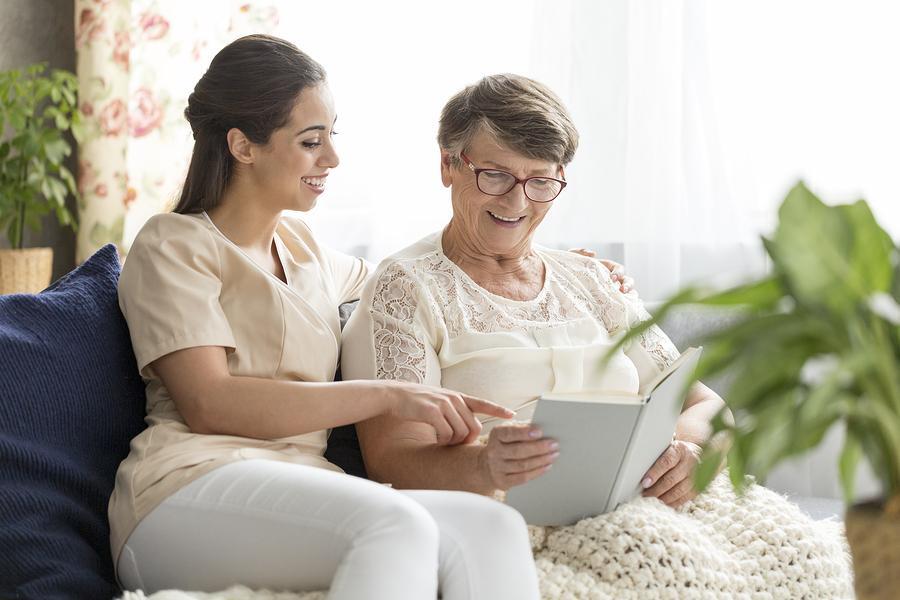
A big part of taking care of your senior in the way that she needs you to, involves looking at what she needs now and will most likely need in the future and doing what you can to meet those needs. It’s easier to do that if you’re tracking your progress and hers. Address Safety Considerations Safety is always going to be your senior’s primary need. It’s where your focus is going to be as a caregiver, and it can be difficult to manage at first if you’re new to caregiving. Go with the obvious concerns first, such as loose stair treads, lack of accessible handrails, and obvious tripping hazards, like clutter. Lighting is another big concern. If it helps, think about home maintenance first and you can build out your list from there, because most home maintenance tasks involve maintaining safety around the house. Get a Good Baseline of Current Health Your senior’s doctor can help you to map out needs as well. If she hasn’t kept up with going to the doctor, now is the time. You need to have some information about her current health issues and whether they’re likely to become more severe at any time in the near future. Having an accurate prognosis gives you tools you need in order to make decisions for your senior. Ask Your Senior What Would Make Her Life Better Sit down and talk to your elderly family member about what she wants and what would make her life better. What could give her easier access to the activities that she enjoys or that she still wants to do? That might involve starting to exercise so that her muscles are stronger, but it might also involve letting other people like elder care providers help her during each day. Your senior might be worried that the changes you’re proposing will take away her independence, but that isn’t what all of this is about. Keep a Log or Journal to Help You See Progress Some of the solutions you might want to put into place may not be necessary right now, but you know that they will be. Keeping a running list ensures you won’t forget about them. You also need to track how well what you’re doing is working, both for you and for your senior. With a logbook or journal devoted to that purpose, you’ve got information you can look back on to see how far you’ve come and what’s still left to do. You might find it difficult to gather and to keep up with all this information, especially while you’re providing daily for your senior’s current needs. That’s why having help from elder care services can be just what you need. Their experience and insights can assist you in spotting and meeting all sorts of needs. Excerpt: As a caregiver, you need to be able to make some predictions here and there, which seems impossible. When you’re tracking what’s going on, though, it’s a lot easier. If you or an aging loved-one are considering Elder Care St. Andrews, SC, please talk to our caring staff. Call today (803) 223-6173.

Happy Holidays! A letter from Esther Ilderton
As I reflect on this past year, I am grateful for the blessings of our clients, client families and caregivers who support Solutions for Living at Home. Thank you for your trust and partnership enabling us to perform home care services for your loved ones. As the new year is almost here, we are gearing up for a busy and rewarding 2025. But before the ball drops, I would like to take a moment to reflect on the impact we’ve made together in 2024. 317 clients served with a total of 242,274 hours of dedicated home care services. Awarded “2024 Best in Experience,” “Provider of Choice,” and “Employer of Choice” from Home Care Pulse, the leading firm in experience management for home care agencies and endorsed by the Home Care Association of America. Completed 67 healthcare facility visits and attended over 160 networking events within the community. Grew our dedicated team to include 348 Solutions Partners and 12 office team members all committed to delivering the highest quality care. Launched Care Management Services in October 2024 to provide additional oversight and advocacy for those needing support beyond traditional home care. Jennifer McEntire, with her extensive healthcare experience and deep passion for helping others, now serves as our Professional Care Manager. Make way for 2025! We are looking forward to the future of home care and how we can continue to best serve our clients. I am excited to watch how emerging technologies, new community partnerships and expanded services impact our current and future clients’ quality of care – it is truly an exciting time in the field of aging services. Every day, the Solutions team works tirelessly to ensure a high-quality home care experience for our clients, their families, and the healthcare community throughout the Midlands. Thank you again for your unwavering support. As we step into the new year, let’s do so with fresh hope and renewed spirit. Blessings, Esther H. Ilderton Director

In-Home Care and Seniors with COPD
When your aging mom or dad is diagnosed with a chronic obstructive pulmonary disease (COPD), it can feel overwhelming and frightening. It means that you both need to take a good look at the living situation and make some decisions about your aging parent’s daily care. COPD can have a significant effect on an aging adult’s ability to live independently, often requiring in-home care provider services and extra attention from a family caregiver. The good news is that with a strong support plan in place, seniors can age in their own home with COPD. For many families, the best way to allow their elderly parent with COPD to still live at home but not sacrifice quality care s to hire a home care provider. COPD Changes Senior Living If COPD is not properly managed, it can mean that seniors will struggle with even the smallest tasks of self-care and home management. COPD can affect strength and stamina, which can create challenges for elderly adults who must do housework, meal preparation or other daily tasks on their own. When combined with other age-related health issues like diabetes, arthritis or poor hearing and vision, COPD can really interfere with mobility and independence. When elderly adults have certain risk factors, the condition can worsen as well. Common risk factors include a family history of lung disease, smoking and a lifetime of exposure to chemicals or fumes. Symptoms for COPD include wheezing, coughing, fatigue, respiratory infections, and tightness in the chest. The doctor will outline a treatment plan for the aging adult with COPD and can advise on arranging for in-home help for the aging adult. Between a family caregiver and a home care provider, seniors can get all the help they need. In-home Care Providers Help Seniors with COPD Living with COPD and going through the treatment can take a lot of time and energy from your aging parent. It’s very important that they take the medication prescribed properly, and a home care provider can remind them when to do so. The home care provider can also accompany the aging adult to appointments with the doctor and with a respiratory therapist for their breathing treatments. Another way that home care providers can assist your elderly parent with COPD is to encourage them to be active and get a little regular exercise in, While it’s hard for many seniors to get up and going on their own, a home care provider gives that extra incentive to participate in some regular daily activity. When your aging parent is having a bad day, the home care provider will take care of the housework, meals, laundry and more. It will give you great peace of mind to know that a professional is looking out for your elderly mom or dad as they struggle with COPD. A diagnosis of COPD doesn't have to slow your aging mom or dad down, especially when they follow the treatment as recommended by their doctor. With a home care provider at their side, they can enjoy a fine life as they age in place at home. If you or an aging loved-one are considering Home Care in Irmo, SC, please talk to our caring staff. Call today (803) 223-6173.
Understanding the Differences and Similarities Between Home Care and Home Health
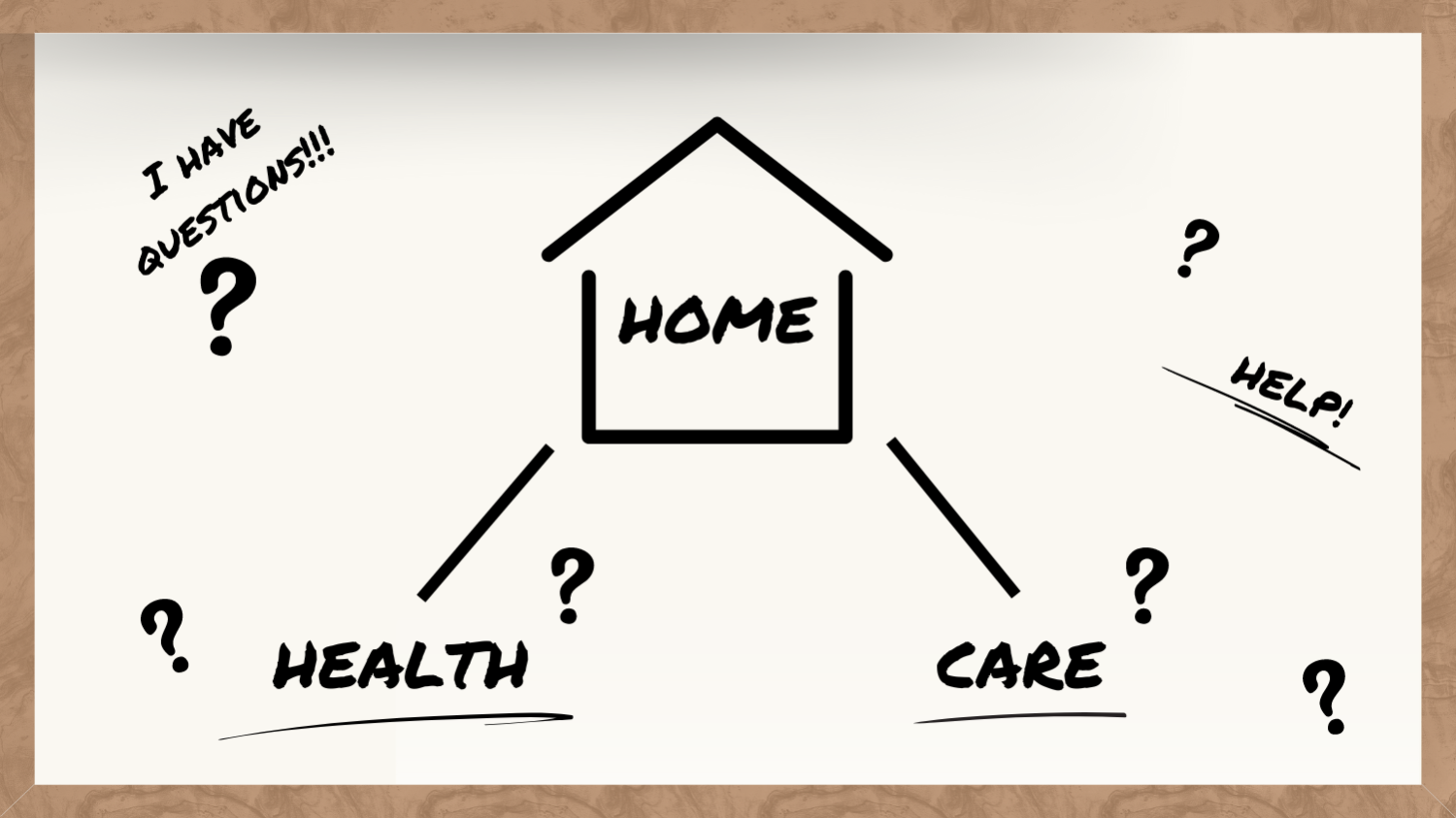
When choosing care options for yourself or a loved one, it's essential to understand the differences and similarities between home care and home health. Both services provide support at home but serve different needs. This blog post will explore these differences and similarities, using reliable sources to give you a clear picture. Home Care: Compassionate Support for Daily Living Definition and Services Offered: Home care, also known as non-medical home care, helps with daily activities. Services include: - Personal care (bathing, dressing, grooming) - Meal preparation - Light housekeeping - Companionship - Transportation to appointments - Help with moving around Some home care agencies also offer private nursing services for specific medical needs that don't require intensive medical oversight, such as: - Medication Management - Physician Communication - Vital Sign/Pacemaker Monitoring - Wound Care - Lab Work - Injections Need for Physician's Orders: Home care services typically do not need a physician's order. They are usually arranged by the individual or their family based on personal needs and preferences. However, private nursing services may require orders like active prescription or wound care orders to perform. Primary Payer: Home care is usually paid for out-of-pocket by the individual or their family. Some long-term care insurance policies may cover certain home care services, but Medicare and Medicaid generally do not. Home Health: Medical Support at Home Definition and Services Offered: Home health care provides medical services from licensed healthcare professionals. These services are often needed after a hospital stay or for managing chronic conditions, including: - Skilled nursing care (wound care, injections, health monitoring) - Physical, occupational, and speech therapy - Medical social services - Help with medical equipment and supplies Need for Physician's Orders: Home health services require a physician's order. A doctor must confirm that the patient needs intermittent skilled nursing care, therapy, or other medical services. Primary Payer: Home health services are usually covered by Medicare, Medicaid, and private health insurance plans, as long as the services meet specific criteria and are medically necessary. Similarities Between Home Care and Home Health Despite their differences, home care and home health share some similarities: 1. Home-Based Services: Both types of care are delivered in the patient's home, allowing individuals to stay in a familiar environment. 2. Personalized Care Plans: Both home care and home health services offer personalized care plans tailored to the individual's specific needs. 3. Support for Aging in Place: Both services help seniors remain in their homes as long as possible, rather than moving to a nursing home or assisted living facility. Regulations and Standards Both home care and home health services follow regulations and standards to ensure quality and safety. For example, the South Carolina Department of Health and Environmental Control (DHEC) provides guidelines and regulations for home care services, which can be found in their regulation document. Home health services are regulated by the Centers for Medicare & Medicaid Services (CMS), with detailed benefits and requirements outlined in their benefits document. For more detailed information about home care and home health services, please visit our website or refer to the resources provided by DHEC and CMS. Choosing the Right Care Knowing the differences and similarities between home care and home health helps you make informed decisions. Home care offers non-medical assistance with daily living, while home health provides medical care for health conditions and recovery from illnesses or surgeries. Both types of care help individuals maintain their independence and quality of life at home. Our Solutions We offer a range of services to meet your home care and home health needs. Our team is dedicated to providing personalized, high-quality care to support you or your loved one at home. For additional information or to discuss care options, please visit our website or contact us directly. ___________________________________________________________________________________ References: - Home Health Benefits - DHEC Home Care Regulations - DHEC Distinction Memo For more information or to discuss care options, please visit our website or contact us directly.

Home for the Holidays; noticing changes in an aging parent
The holidays are a season of gathering, reflection, and connection. For many families, it's the rare time everyone comes together. When adult children visit aging parents, it's also an opportunity to notice changes that may have occurred over the year. Sometimes, these visits reveal signs that a parent may need additional support to continue living safely and comfortably in their own home. If you notice any changes this holiday season, here are some compassionate, practical steps to guide your family through the next steps in ensuring your loved one’s well-being. Observe with a Caring Eye As you enjoy the holiday, take time to observe your loved one’s behavior and environment without judgment. Consider looking for these signs: Physical Appearance: Are there any noticeable changes in weight, mobility, or grooming habits? Home Environment: Is their home as tidy and organized as usual, or are there signs of neglect in household upkeep? Social Engagement: Are they as engaged with family and friends as usual, or do they seem withdrawn or isolated? Mental and Emotional Health: Do you notice signs of confusion, forgetfulness, or mood changes that are out of character? Approach the Conversation with Care Talking about changes you’ve observed can be challenging, but it's an essential step toward supporting your parent’s well-being. Begin the conversation with empathy, focusing on their feelings and preferences. Try gentle questions like: “I noticed a few things around the house and wanted to check in on how you’re feeling. Is there anything you’d like help with?” “How are you feeling these days? Do you feel safe and comfortable at home?” This approach shows your concern while respecting their independence and dignity. Discuss Family Support Services If your parent is open to exploring options, introduce the idea of family support services that can help them maintain their independence. Services like custom care solutions and home mobility aids can often address the specific needs of aging adults without taking away their sense of control over their daily lives. Whether it’s assistance with household chores, personal care, or transportation, there are a range of advanced home care options designed to support each individual's unique needs and routines. Evaluate Safety and Mobility As we age, safety within the home becomes increasingly important. Small adjustments, such as adding handrails in the bathroom, improving lighting, or reorganizing frequently used items, can significantly improve home safety. Consider working with senior home solutions providers who specialize in assessing homes for common risks and recommending adjustments that support home independence. These small changes can have a significant impact on daily comfort and safety. Consider Help in the Home If your parent shows signs of needing regular assistance, consider whether a compassionate caregiver or continuous home care service might be beneficial. With the right support, many seniors can continue to live comfortably at home, enjoying their routines and maintaining their independence. Working with a team that values relationship-based care can help establish trust, which is essential when introducing outside help. When caregivers focus on building connections, they can truly meet the emotional and physical needs of each person they support. Reflect on Next Steps as a Family When you approach these sensitive decisions as a family, it strengthens everyone’s confidence in the chosen path. Take time to reflect and research options together, weighing your loved one’s needs and preferences. If needed, bring in professionals to discuss the various home wellness solutions that align with your parent’s values and lifestyle. By working together, you can create a support plan that prioritizes their comfort and dignity. Cherishing Home and Independence Supporting an aging parent doesn’t mean taking away their independence; it’s about finding ways to empower and assist them in staying safe, happy, and engaged at home. As you spend this holiday season with your loved ones, remember that noticing and addressing these changes is a gift in itself—a step toward ensuring their continued well-being in the comfort of home. Whether it’s arranging for loving home care or making small adjustments to enhance safety, these steps can make a significant difference. This holiday, let’s cherish the opportunity to connect and support our loved ones with compassion, respect, and love. Happy holidays, and may your family’s journey be one of warmth and togetherness!
How Can You Destress Immediately?
Caregiving can throw you some curve balls from time to time. Stress can seem to escalate out of nowhere until you're at your limit. So is there something that you can do as a caregiver that helps you to destress right there in the situation? Try one of these ideas. Chant a Calming Mantra Find a word or a phrase that you associate with peace and calm. It might even be the phrase "peace and calm." When you see or say those words, make sure that you slow your breathing and think immediately about somewhere that is calm and peaceful. Then, when you're stressed, repeat that phrase or the word to yourself. The work you've done to associate that mantra with peace and calm should help you to get there quickly. Keep a Picture with You Keep a picture with you of someone or something that you love and that brings you immense joy. You can make it into a keychain or put it into a locket that you wear all the time. When something is testing you, take out that picture and gaze at it for a few seconds. Change Your Focus As soon as you realize that you're feeling stressed, literally change your focus. Look at something that is farther away from you or closer to you. Focus on it intently and think to yourself about three positive things that object or item represents for you. There's a few different shifts that you're making all at once with this technique, which can help you to lose your connection with whatever it was that was getting your goat. Hum a Song Find a song that is easy for you to hum. It might be your favorite song or a children's song that's easy to remember. When you're starting to feel the effects of stress, hum the song under your breath. This can help you to hear something that you enjoy or that brings back happy memories for you, which can stop the stress reflex. Take a Series of Increasingly Deeper Breaths Your breathing can also have a big impact on how stressed you're feeling. When you're really feeling the effects of stress, you're likely breathing short, shallow breaths. As soon as you notice your breathing, take one breath that's slightly deeper and longer. The next needs to be just a little deeper and longer, too. Do this until you finally take one deep breath. Hold it for a second and then slowly release it. You should be feeling calmer. Stress is something that you're going to deal with often as a caregiver. You probably can't get rid of it completely for good, but you can learn techniques that work well for you. The better you get at deploying your toolkit, the easier it will be to lower your stress levels quickly. If you or an aging loved-one are considering Caregivers in Lexington, SC, please talk to our caring staff. Call today (803) 223-6173.
How Can You Help a Senior with COPD Keep Weight On?
If your senior has been dealing with COPD for a while, you may have started to notice that she’s losing weight faster than you can keep it on her. This is common for people with COPD and it can be incredibly disheartening. It’s a Balance with Nutrition and Calories Balancing nutrition with the calories your senior needs is a delicate dance. One obvious answer could be to simply load up your elderly family member with tons of calories, but she needs more than just any old calories. She needs protein, healthy fats, and nutritional building blocks to keep her body strong. Healthy Fats Can Help Fats are easier for your senior’s body to digest, so they’re a great way to give her more calories and avoid overloading her respiratory system. They’re also flavorful and can be a great way to stimulate her appetite. Start using olive oil vinaigrettes as salad dressings or add avocados to her daily diet. Lean Proteins Are a Good Choice Lean proteins, such as chicken or fish, are a better choice than a steady diet of red meat for your senior. You might think that the fat in the meat is helpful, but those types of fats are often higher in cholesterol, which can cause other problems. So leaner proteins, including eggs, can be easier to eat and better for your elderly family member in the long run. Make Eating as Enjoyable as Possible Eating is already difficult for your senior. With the pressure of keeping her weight stable, she might find it even tougher to eat the foods she knows she should eat. Do what you can to make meals as enjoyable as possible, including flavors that your elderly family member enjoys and using distractions if they help her to eat a little more. Keep Meals Small and Frequent People with COPD are prone to bloating and can experience stomach pain from eating too much food at one time. This happens because their lungs are often inflamed and take up a little more space than they used to. If you can keep meals a little smaller and offer food a little more frequently, this gives her body a chance to digest some of the food she already ate and can help to reduce that bloated feeling. This can all be really overwhelming for your aging family member. Many people with COPD find that they don’t have much of an appetite, which makes all of this more difficult. Finding a way to manage your senior’s diet might involve hiring home care providers who can gently remind your senior that she needs to eat. They can also ensure that she’s eating healthy food choices during the day. If you or an aging loved-one are considering Home Care in Blythewood, SC, please talk to our caring staff. Call today (803) 223-6173.

How Seniors Can Avoid Slip and Falls
If your aging loved one were to experience a slip and fall accident, they could easily become injured. Elderly adults have a higher risk of head injuries, broken bones and concussions from slip and fall accidents than younger age groups. They also take longer to recover from injuries because their bodies heal more slowly. In many cases, when aging adults start to become unsteady on their feet, their family caregivers don’t do anything about it. You can do a lot to help your elderly loved one avoid a slip and fall by hiring an elderly care provider. 1. Address the Topic with Seniors Your elderly loved one may have a little too much confidence in their ability to stay on their feet and remain steady during a shower or in the kitchen. Elderly may adults may also be too nervous to mention how anxious they feel about falling and will be relieved to share their thoughts with you. Either way, you both need to talk about the upcoming changes to reduce the risks of slip and fall accidents. 2. Hire an Elderly Care Provider Seniors are most likely to fall when they are alone and trying to do something on their own that is beyond their ability. When you hire an elderly care provider, you are giving them in-home assistance when they need it most. Professional home care providers have plenty of training on how to help seniors in potentially hazardous situations and spot problems long before they happen. 3. Modify Bathrooms The bathroom is one of the most dangerous rooms in the house for seniors, but you can do a lot to ensure it is as safe as possible. Prevent slip and fall accidents by installing grab bars in the shower and by the toilet. Buy non-slip bath mats to keep them steady on their feet and consider a shower chair or tub chair for when they are at their most vulnerable. 4. Boost Lighting and Good Vision One thing that many family caregivers overlook when it comes to slip and fall accidents is lighting in the home. The higher the contrast, the better seniors can see where they are going. You should replace burned-out light bulbs as quickly as possible and make sure tough areas like stairwells and hallways are well-lit. Seniors should have their vision checked frequently and always have the most current prescription of glasses. 5. Eliminate Clutter You’ll need to eliminate anything that might cause your aging loved one to trip. You and the elderly care provider can rearrange furniture to create logical walkways through the house. Eliminate anything on the floor that might cause tripping trouble like magazines and newspapers, clothes, throw rugs and pet toys. It’s quite easy for your aging loved one to slip and fall on clutter, so you need to make a real effort to reduce the risks. If you or an aging loved-one are considering Elderly Care in Chapin, SC, please talk to our caring staff. Call today (803) 223-6173.

Make the Holidays Extra Special for Aging Adults
Holidays and celebrations build memories for a lifetime, no matter how old you are. However, many elderly adults struggle at this time of year due to conflicting feelings about the past and the future. Seniors face much bigger challenges in creating, hosting or even attending holiday celebrations due to physical or mental health issues. With age, many elderly people struggle with the tasks of daily living, and they depend on family caregivers, friends, and senior care providers to help them. Outings can be regularly scheduled to help them stay social, but there’s something special about the holidays that make them want to connect with others in festive settings. With the help of family members and senior care providers, elderly adults can enjoy all the fun that the holiday season brings. You must consider your aging relative’s physical condition when making holiday plans for them. For example, if they are quite frail, a more intimate gathering may be appropriate. Other seniors thrive on large group gatherings of friends and family and look forward to hosting. No matter what their capabilities, they will surely appreciate your efforts to make holiday events special. There are many suggestions online about how to make the holidays extra special for aging adults. Here are a few that can easily be adapted for seniors due to ability, interest, and finances: Plan to attend a holiday concert presented by the local orchestra or choir. Host a cookie exchange with friends and family where everyone brings a plate of cookies and leaves with many different kinds. Secretly plan for a distant relative to spend the holidays with the elderly relative and help facilitate the surprise visit. Organize a family reunion with those who are coming into town for the holidays. Put together a video slideshow of photos and let your aging relative narrate it, then send it to family members as a holiday gift. Volunteer somewhere that needs help around the holidays, such as at a food kitchen or children’s hospital. Arrange with the senior care provider to take your aging relative to various holiday events in the community, such as the mall with decorations or a winter craft fair. Organize a gift-giving party with close friends that don’t get together often and host a little holiday party at home or at a restaurant. Arrange for your elderly relative to attend any holiday religious services that they identify with. The most important thing for your elderly relative to know is that they are loved and appreciated all year long, but especially during the holiday season. When everyone in your aging loved one’s support group—family members, friends, clergy and senior care providers—make the extra effort to create special holiday experiences, it makes this time of year truly memorable. If you or an aging loved-one are considering in-home elder care in Columbia, SC, please talk to our caring staff. Call today (803) 223-6173.
Memory Loss and Alzheimer's Disease
One of the biggest symptoms of Alzheimer's disease for most people is memory loss. But when is memory loss normal and when is it something to be more concerned about? Some people don't realize that there are normal degrees of memory problems, which might make them defensive about those instances. Memory Loss Is Scary If you've ever forgotten something, you know how frustrating it can be. Your senior may be a little more than frustrated though because memory loss on even a small scale can feel to her as if her life might be about to change dramatically. At a certain age, even normal memory loss can seem as if it's an indication of Alzheimer's disease, so it's important to know the difference. Normal Memory Loss The first step is to get a handle on what normal memory loss is. It's perfectly normal to forget someone's name, especially if you don't see that person often. Your senior might also forget that she has an appointment coming up. Usually there is something that reminds your elderly family member about these details, though. That's going to be a key difference. Potentially Dangerous Memory Loss The types of memory loss that should really concern you and your senior are the types in which she's asking for the same information from you or from others over and over. If she doesn't remember telling you the same story in the exact same way a few minutes later, that also fits. If she is having trouble with information that she's always had ready access to in the past, that's a sign of possible problems. Talk to Your Senior's Doctor The bottom line is that if you or your elderly family member are concerned about any of the memory loss she's experiencing, it's time to talk to her doctor. Her doctor can do some testing and get to the root of what is going on. From there you can start looking at plans and solutions that can help your senior to get what she needs in terms of assistance and treatment. Senior care providers can help you and your elderly family member to deal with her memory loss issues. They can set up reminders for her and make sure that she gets where she needs to go. If she needs other help along the way, they can also take care of that for her. You'll both feel better knowing that she's got support when you're not there. If you or an aging loved-one are considering Senior Care in Irmo, SC, please talk to our caring staff. Call today (803) 223-6173. Excerpt: Memory loss is something that almost everyone experiences now and again, but when is it something to worry about?
Navigating Care for an Aging Parent as an Adult Child
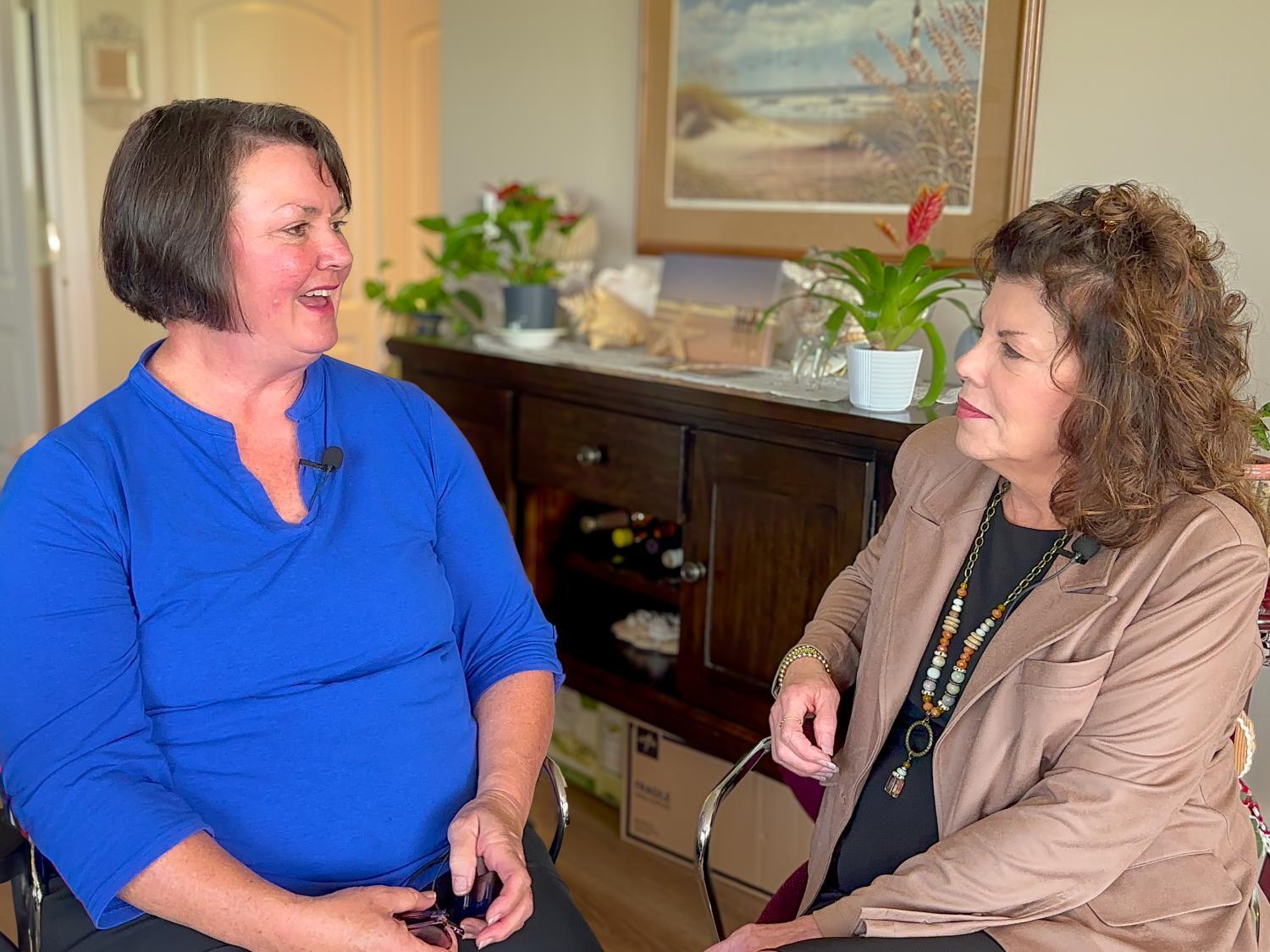
Caring for an aging parent can be a challenging and emotional journey for adult children. As our parents age, their needs change, and it often falls on us to ensure they receive the care and support they require. Recently, Esther Ilderton, Director of Solutions for Living at Home, had the opportunity to interview Viki Sox, an adult daughter who has been navigating this journey with her mother for the past five years. Her insights and experiences shed light on some key aspects of managing parental care. Safety First When bringing in outside help, such as a home care agency, safety should be the top priority. Viki emphasized the importance of finding trustworthy and competent caregivers who will not only provide quality care but also respect the vulnerability of your aging parent. Thorough vetting and open communication with the agency are crucial in establishing a safe and secure environment. Building Relationships Developing a strong relationship with your parent's caregivers is essential. Even if you are not always present during their visits, you can foster a connection through regular communication and by showing appreciation for their efforts. Viki shared how her mother's caregiver, Gail, has become like family, going above and beyond to ensure her mother's well-being and comfort. Clear Expectations and Communication Setting clear expectations and maintaining open lines of communication are key to a successful caregiving arrangement. Viki emphasized the importance of patience, especially when dealing with communication challenges due to age-related conditions. Regular check-ins with your parent and their caregivers can help address any concerns promptly and ensure everyone is on the same page. Adapting to Change As time passes, your parent's needs may evolve, and it's essential to be adaptable. Viki shared how her mother's care requirements have changed over the past five years, and how she and her sister have worked together to adjust their approach accordingly. Being open to change and seeking guidance from professionals when needed can help you navigate the ever-shifting landscape of parental care. Finding Peace of Mind Ultimately, the goal of arranging care for an aging parent is to ensure their well-being while allowing you to worry less and live more. Viki expressed the peace of mind she has found in knowing that her mother is in capable hands and that she can trust the caregivers to handle various tasks and situations. This trust allows her to focus on her own life while still being an active and supportive presence in her mother's care journey. Navigating care for an aging parent is a unique and personal experience for every family. By prioritizing safety, building strong relationships, communicating clearly, adapting to change, and seeking support when needed, adult children can find the balance and peace of mind they need during this challenging time. Remember, you are not alone in this journey, and there are resources and professionals available to guide you every step of the way.
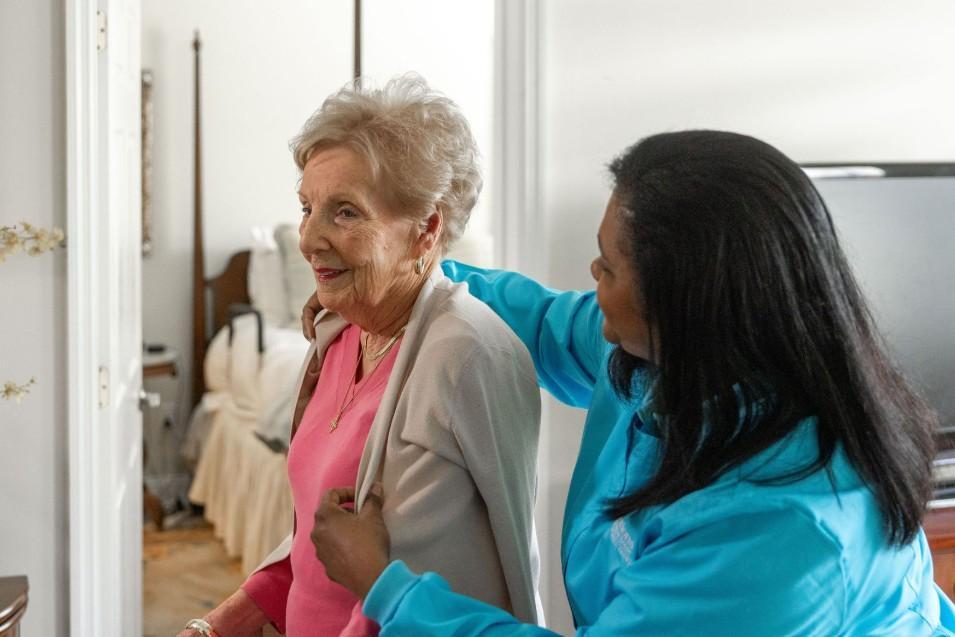
Opening the Door-and One's Heart- to In Home Care
It is often said that "home is where the heart is". This means home is also a sacred, comfortable space that can be challenging to welcome change into. For many older adults, this change comes in the form of receiving in home care. Opening the door to home care can feel like closing the door on one's independence. In reality, the introduction of in home care opens the door to both by helping a person live and thrive in the place that is nearest and dearest to their heart. Here are some signs from a Solutions for Living at Home expert that in home care may be the right fit: Recognizing That It Is Time for Home Care 1) Bills are not being paid A missed payment notice has quickly become a pileup of bills that have been forgotten and left behind. The implications are not just confined to the home, but can extend to legal and financial troubles that cause undue stress for both the older adult and their loved ones. 2) The home has become uncharacteristically cluttered This goes beyond a loose sock left on the couch or a bowl left in the sink. Instead, it means an unkempt house has become the rule rather than the exception. And it is especially a concern if your previously-neat freak mother has not been her usual self. For older adults, this can mean an abundance of safety risks- from consuming spoiled food in the fridge to tripping over loose objects left on the floor. 3) Signs of memory loss If friends and family notice their loved one is struggling to recall details in conversations with them, the person is likely forgetting other important information when no one else is around. A forgotten phone number can spiral into a question of whether the person remembered to take their daily medication or tie their shoes before leaving the home. 4) Less attention to personal care A loved one is no longer taking care of themselves like they previously were. This can look like hygiene-related tasks such as morning teeth brushing or an evening shower becoming "optional". This can not only lead to isolation and poor mental health for older adults, but also severe and costly physical health consequences. These changes in routine and behavior can be worrisome to a person or those closest to them. But other changes don't have to be. Next Steps: The Role of Solutions for Living at Home Solutions for Living at Home provides a remedy to the obstacles that make daily life more challenging for older adults. Our Solutions Partners bring heart to everything they do, by allowing clients and their loved ones to sleep more soundly at night knowing a person and their independence are being properly supported. Solutions Partners can manage medications, help keep the home tidy, or even prepare a favorite dish. More than that, they develop genuine relationships with their clients. It is through these relationships that people are able to open their homes-and hearts- to a new friend and support system, rather than a stranger. Simply put, in home care can make home feel like home again.