More Stories
From the Blog
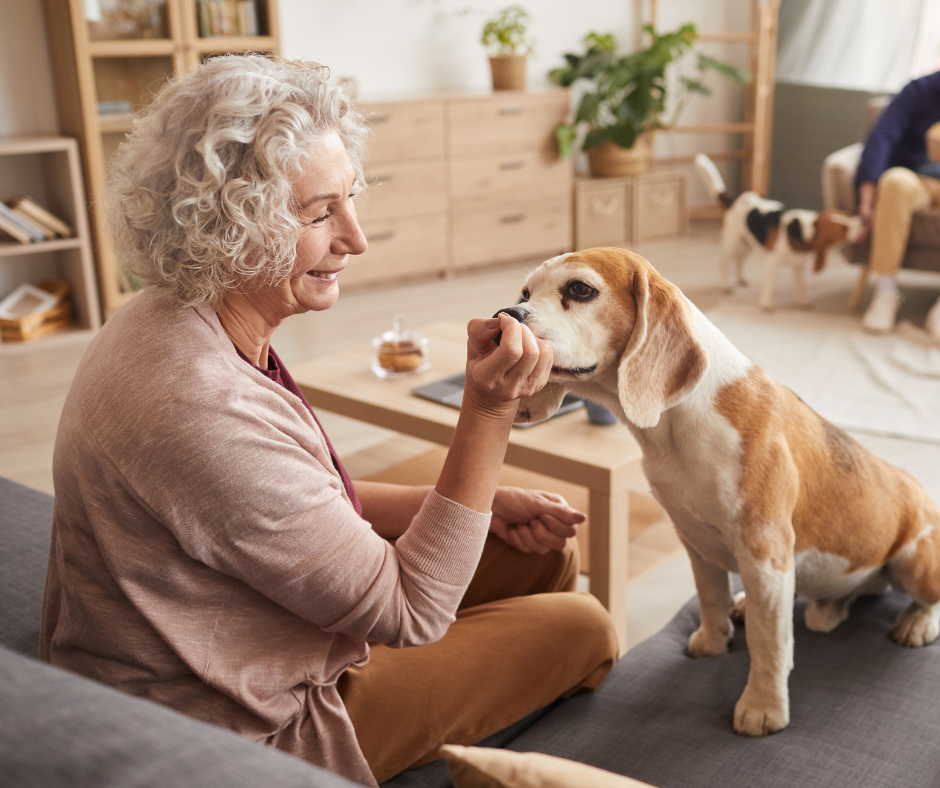
For the Love of Pets and Seniors
As we navigate through the golden years of life, companionship becomes more important than ever. For many seniors, pet companionship offers emotional, mental, and physical benefits that enhance their overall well-being. Let's explore how pets can enrich the lives of seniors. Emotional and Mental Health Benefits One of the most notable impacts of pet ownership is on emotional and mental health. Studies have shown that interacting with pets can significantly reduce feelings of loneliness and depression among seniors, especially those home-bound. Pets provide unconditional love and companionship, which can be especially comforting for seniors living alone. Additionally, the Cleveland Clinic highlights that having a pet can boost mood and cognitive function. Pets offer a sense of purpose and routine, which is crucial for maintaining mental sharpness and emotional stability. The daily interactions, whether it's a simple pat on the head or a playful game, stimulate the brain and foster a sense of connection and joy. Physical Health Benefits Owning a pet also encourages physical activity, which is essential for maintaining health and mobility as we age. Dogs, in particular, need regular walks, which means their owners get exercise too. This not only improves cardiovascular health but also enhances mobility and flexibility. Regular physical activity can reduce the risk of various health issues, including heart disease and arthritis. Social Benefits Pets can be wonderful ice-breakers, helping seniors to socialize more. Taking a dog for a walk or visiting the vet can lead to interactions with neighbors and other pet owners, fostering a sense of community and belonging. This social engagement is vital for mental and emotional well-being, reducing the risk of social isolation. Addressing the Challenges of Pet Ownership for Seniors While there are plenty of benefits of pet companionship for seniors, it's important to acknowledge that as physical and mental capabilities change, caring for a pet can become challenging. Tasks such as walking the dog, cleaning the litter box, or taking pets to the vet might become difficult. This is where robust home care agencies like Solutions for Living at Home come into play. In addition to its traditional client centered care, Solutions offers pet care services such as pet walking, pet sitting, pet taxi, and overnight care. This ensures that seniors can continue to enjoy the companionship of their pets without the stress of managing their care alone. These services are designed to support seniors in maintaining a fulfilling and independent lifestyle. For more information, please visit our services page. Embrace the Joy of Pet Companionship Pet companionship offers countless benefits for seniors, from enhancing emotional well-being and mental health to encouraging physical activity and social interaction. By addressing the potential challenges with supportive services, seniors can continue to enjoy the joy and comfort that pets bring into their lives. At Solutions for Living at Home, we understand the importance of pet companionship and are here to provide the support needed to make pet ownership a joyous and manageable experience for older adults. If you or a loved one is considering pet companionship, rest assured that help is available to ensure both the senior and their furry friend live a happy, healthy life together. For more insights and assistance on holistic elder care and custom care solutions, stay connected with us and explore our wide range of services dedicated to enhancing the quality of life for our senior community. Read more about the benefits of pet ownership for the elderly on AgingCare.
Preventing Electrical Fires in Seniors’ Homes
Each year, there are around 24,000 electrical fires in houses around the country. In 7 percent of those fires, someone is injured. 11 percent result in a death. The highest number of electrical fires occur during the months of December and January. This is probably because more people are using electrical appliances to heat their homes and holiday lights. No one likes to think about a fire occurring in the home of an older family member, but there are ways you can help them to prevent electrical fires. Common Causes of Electrical Fires Electrical fires can be caused by many different electrical problems. Some of the most common causes of electrical fires are: Malfunctioning Outlets and Appliances: Electrical outlets and outdated or broken appliances are major causes of electrical fires. Old appliances should be replaced. Outlets that aren’t working properly should not be used. Call an electrician to repair them. Light Fixtures: Electrical fires can originate in light fixtures when a bulb with a wattage too high for the fixture is used. They can also be caused by placing paper or cloth over a lampshade. Extension Cords: People often use extension cords incorrectly, resulting in a fire. They should not be run under carpets where they can fray and catch fire. In addition, extension cords should not be used with appliances. Space Heaters: Space heaters are often placed too close to flammable items, like curtains or beds. Electrical Fire Prevention Older adults and their family caregivers can prevent electrical fires by following these tips: Always use a qualified electrician to perform electrical repairs and upgrades in the home. Replace damaged or cracked extension cords. Don’t overload electrical outlets. Unplug small appliances, like toasters, when they are not in use. Keep lamps, bulbs, and light fixtures away from flammable items. Never cut the third prong, the grounding prong, off of a cord to make it fit an outlet. Instead, upgrade the outlet from a two-prong to a three-prong outlet. Make sure cords are completely pushed into the outlet. Use tamper-resistant outlet covers in unused outlets if the senior has dementia. Elderly care providers can help to keep older adults safe from electrical fires, too. Elderly care providers can watch for situations that may cause a fire and correct them. An elderly care provider can monitor your aging relative to make sure they are using electrical appliances correctly and not in a manner that could cause a fire. Finally, if a fire were to occur, an elderly care provider can make sure the senior gets out of the house safely and call 9-1-1 for help. If you or an aging loved-one are considering home care in Columbia, SC, please talk to our caring staff. Call today (803) 223-6173. Sources https://www.usfa.fema.gov/downloads/pdf/publications/prevent_home_electrical_fires_flyer.pdf https://www.usfa.fema.gov/downloads/pdf/publications/electrical_fire_safety_vertical.pdf

Recognizing the Signs of a Heart Attack in Aging Adults
Elderly adults are at a much higher risk of having a heart attack, but whether the heart attack leads to tragedy can often depend on how quickly emergency treatment can be administered. Family caregivers for aging relatives should definitely take the time to learn more about the symptoms of a heart attack and create a plan so that they and others can react quickly. Early Symptoms of a Heart Attack Whether an elderly adult survives a heart attack can depend a lot on what they and their caregivers do in the first minutes and hours that symptoms appear. A heart attack describes what happens when the heart is cut off from a regular blood supply. Without oxygen from the blood, the cells within the heart are damaged and begin to die. The longer a senior goes without treatment, the more damage is done. The most common symptom of a heart attack is chest pain or pressure, specifically the center or left side. Similar symptoms include pressure or discomfort in the back, neck and jaw. Shortness of breath, nausea, dizziness and sweating are other less recognized symptoms of a heart attack, especially in women. Interestingly, some heart attacks reveal very few symptoms, or they are muted and are therefore less likely to be noticed. Helping Seniors with Early Heart Attack Warnings Family caregivers must have a plan in place for themselves, their elderly relatives and anyone who helps care for them such as friends or elderly care providers. The first step is to identify whether the aging adult has a high risk for heart attacks. Those at the most risk are seniors with high cholesterol, high blood pressure, diabetes and have already survived a stroke or heart attack. The next step is to make everyone aware of the common symptoms as well as those that are less common. Family caregivers should encourage family members, friends and elderly care providers to act immediately even if the symptoms don’t appear to be severe. The stereotypical heart attack, intense chest pain, is usually not the best way to confirm what is happening. When elderly care providers and others suspect a heart attack is happening in the aging adult, they should call for medical attention right away. It’s better to be safe than sorry, and fast medical attention can make all the difference. Family caregivers have a lot to think about as they manage the health and well-being of their aging loved one. Anything they can do to gain precious minutes during a heart attack may be able to prevent a scary health situation from turning tragic. If you or an aging loved-one are considering Elderly Care in Lexington, SC, please talk to our caring staff. Call today (803) 223-6173.

Seniors Can Benefit from Dance Classes
Experts agree that with a doctor’s approval, elderly adults can benefit from regular exercise. However, many aging adults don’t like to do it. However, to improve their health, strength, and balance, it’s important that seniors do something to get their bodies moving. Many seniors are finding that elderly dance classes are a wonderful way to get some exercise in, and they can socialize and have fun in the process. Family caregivers with elderly adults should investigate the benefits of dance classes for their aging loved ones. What are Senior Dance Classes? With senior-friendly dance classes, it’s easy for aging adults to have a good time. Lively music, lots of peers and interesting instructions usually comprise senior dance classes. They are usually held at community fitness centers, senior centers and at some dance studios. Often there are many different classes that cover a range of genres, from country line dancing and salsa to Zumba, ballroom dance and jazz. The trained instructors modify traditional dance moves into age-appropriate routines and then help seniors learn. Are There Benefits to Senior Dance Classes? Senior dance classes offer a range of benefits for elderly adults, both physically and mentally. Studies show that seniors who get mild to moderate exercise at least three days per week are more likely to resist illness, boost muscle strength and increase energy levels. Exercise also aids in digestion, circulation and sleep habits. Over time, dance classes help seniors increase their flexibility and balance, lowering the risk of slip and fall accidents. Positive mental health is another benefit of senior dance classes. Elderly adults have a high risk of developing depression or anxiety, but exercise can help keep that at bay. Another benefit of senior dance classes is the social aspect. Instead of feeling isolated and lonely, aging adults can meet new people, work with various dance partners and boost their own self-esteem as the accomplish their dance goals. Helping Seniors Incorporate Dance Classes into Their Lives It can be a real challenge for family caregivers and elderly care assistants to get the elderly adults to and from the dance classes. However, as long as they can provide transportation and escort the aging adult to the classroom on time, family caregivers and elderly care providers are doing their part to encourage exercise and socialization. Participating in dance classes must be a priority for family caregivers and elderly care providers because the senior cannot attend without their support and help. Motivating aging adults to exercise is never easy, as many grow bored with traditional exercises like walking or riding a stationary bike. Dance classes offer something different from normal senior exercise and motivates them to come back again and again. Regardless of ability and limitations, there are plenty of opportunities for aging adults to participate in dance classes that are age-appropriate and a lot of fun. If you or an aging loved-one are considering Elder Care in Forest Acres, SC, please talk to our caring staff. Call today (803) 223-6173.
Solutions for Living at Home Receives Awards for Excellence
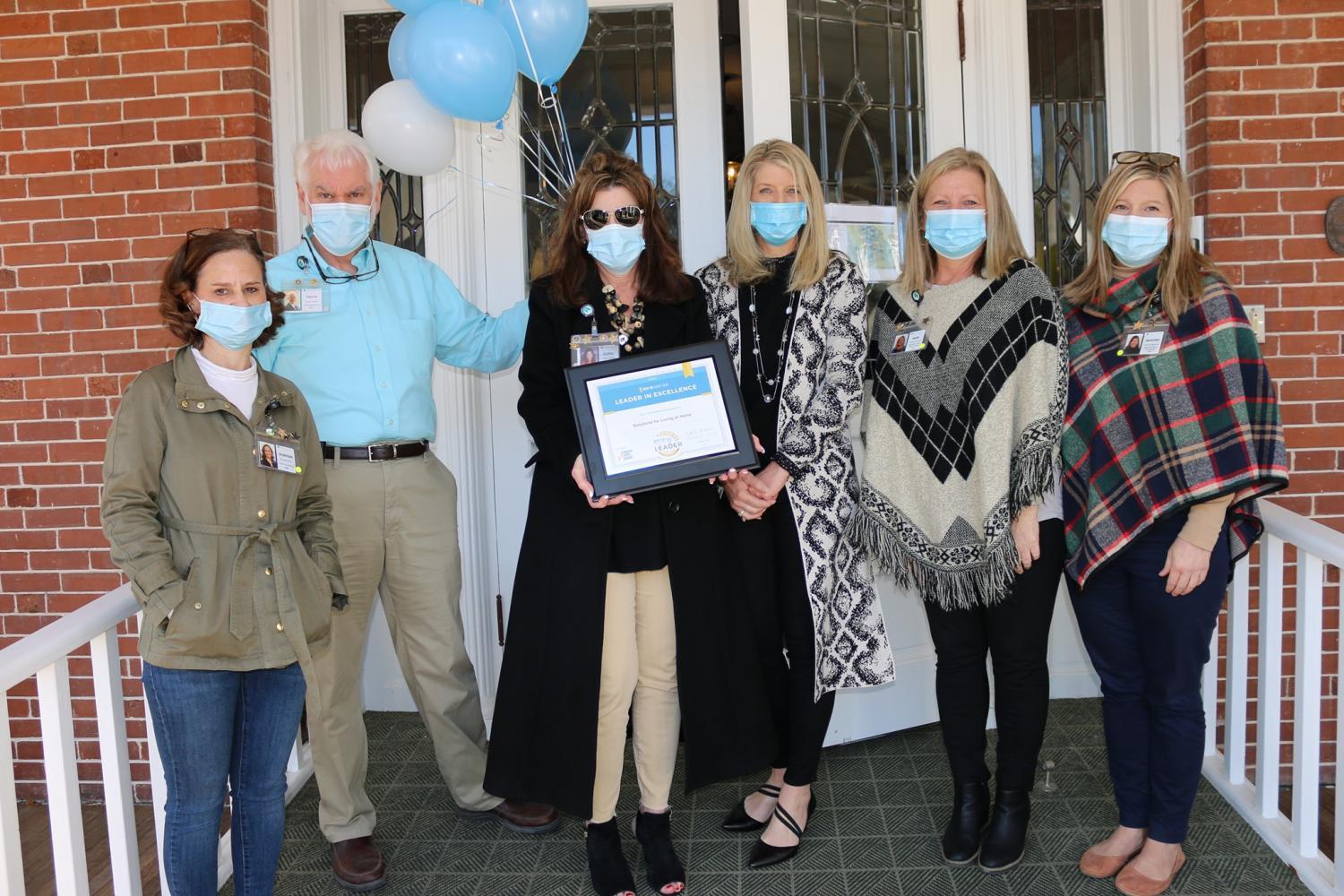
Solutions for Living at Home recently received the distinguished Best of Home Care – Leader in Excellence Award from Home Care Pulse, the leading firm in quality assurance for home care. The Leader in Excellence Award is the highest recognition awarded by Home Care Pulse and is given to select home care businesses that consistently rank among the very highest in 10 or more quality metrics. This accomplishment demonstrates Solution’s long-term dedication to excellent care and quality improvement. To qualify for this award, 10% of Solution’s clients and caregivers were interviewed each month by Home Care Pulse. Over a 12-month period, Solutions for Living at Home received high client and caregiver satisfaction ratings in areas such as caregiver training, the compassion of caregivers, communication, scheduling, and client/caregiver compatibility. “Receiving the 2021 Best of Home Care-Leader in Excellence Award is an honor and recognizes the dedication and heart of every caregiver, scheduler, and administrative staff member who continually strive to provide the best in-home care.” Esther Ilderton, Director of Solutions for Living at Home The Best of Home Care – Leader in Excellence Award highlights the top-performing home care businesses in the nation. Home Care Pulse believes that by honoring these providers, families looking for in-home care for a loved one will be able to recognize and choose a trusted home care provider. “Our goal at Home Care Pulse is to empower home care businesses to reach their goals and deliver the best home care possible,” says Erik Madsen, CEO of Home Care Pulse. “We are happy to recognize Solutions for Living at Home as a Leader in Excellence. We’ve been impressed by their commitment to their clients and caregivers, as well as the quality of the overall care they provide. They really stand out in their market as a top home care provider.” Solutions for Living at Home also received the Home Care Pulse 2021 Provider of Choice and 2021 Employer of Choice. Solutions for Living at Home is also proud to announce, Geraldine Alston, Solutions Partner, has received the Excellence in Caring Award from Leading Age South Carolina. Geraldine Alston has been with Still Hopes since April of 2007 and with Solutions for Living at Home since July 2014. Geraldine is a Certified Nurse Assistant and was selected as Still Hopes Employee of the Month in July 2020. Still Hopes Episcopal Retirement Community employs over 600 staff members, so this is quite an honor. Geraldine represents the Still Hopes Mission, Vision and Value statements as a loyal and dedicated staff member to those whom she provides care. Since September of 2017, Geraldine has been caring for the same clients, who happen to be husband and wife. This couple and their family have stated they think of Geraldine as family. Geraldine’s care goes beyond her normal work hours since she is always checking on her clients, especially during this pandemic. It has been reassuring to the couple’s children to know Geraldine is able to be with their parents and care for them in such a compassionate way. Geraldine exemplifies what a “Care Giver” should be. She is patient, kind, gentle, loyal, honest, and hard-working. She never complains and does whatever needs to be done to make her client’s life better.
Solutions for Living at Home Transportation
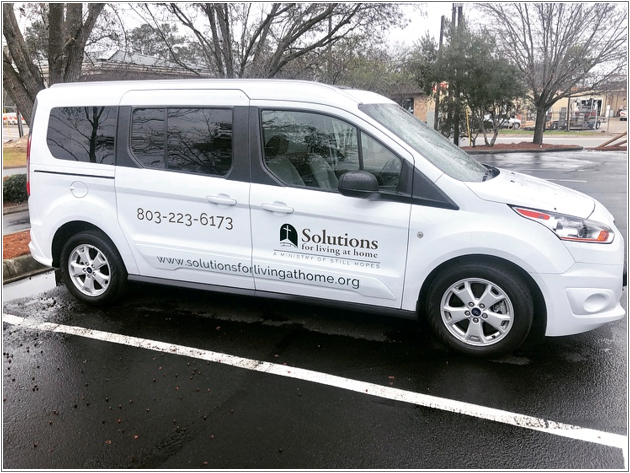
Solutions for Living at Home offers transportation for clients with the assistance of a Solutions Partner. If you need to get to the hospital, doctors office, or other locations such as the grocery store or hair appointments, we can assist you. In addition we provide complete transportation to those who are mobility impaired with the use of our wheelchair van. Call today to schedule your transportation needs at 803-223-6173.
Staying Independent at Home: The Importance of iADLs
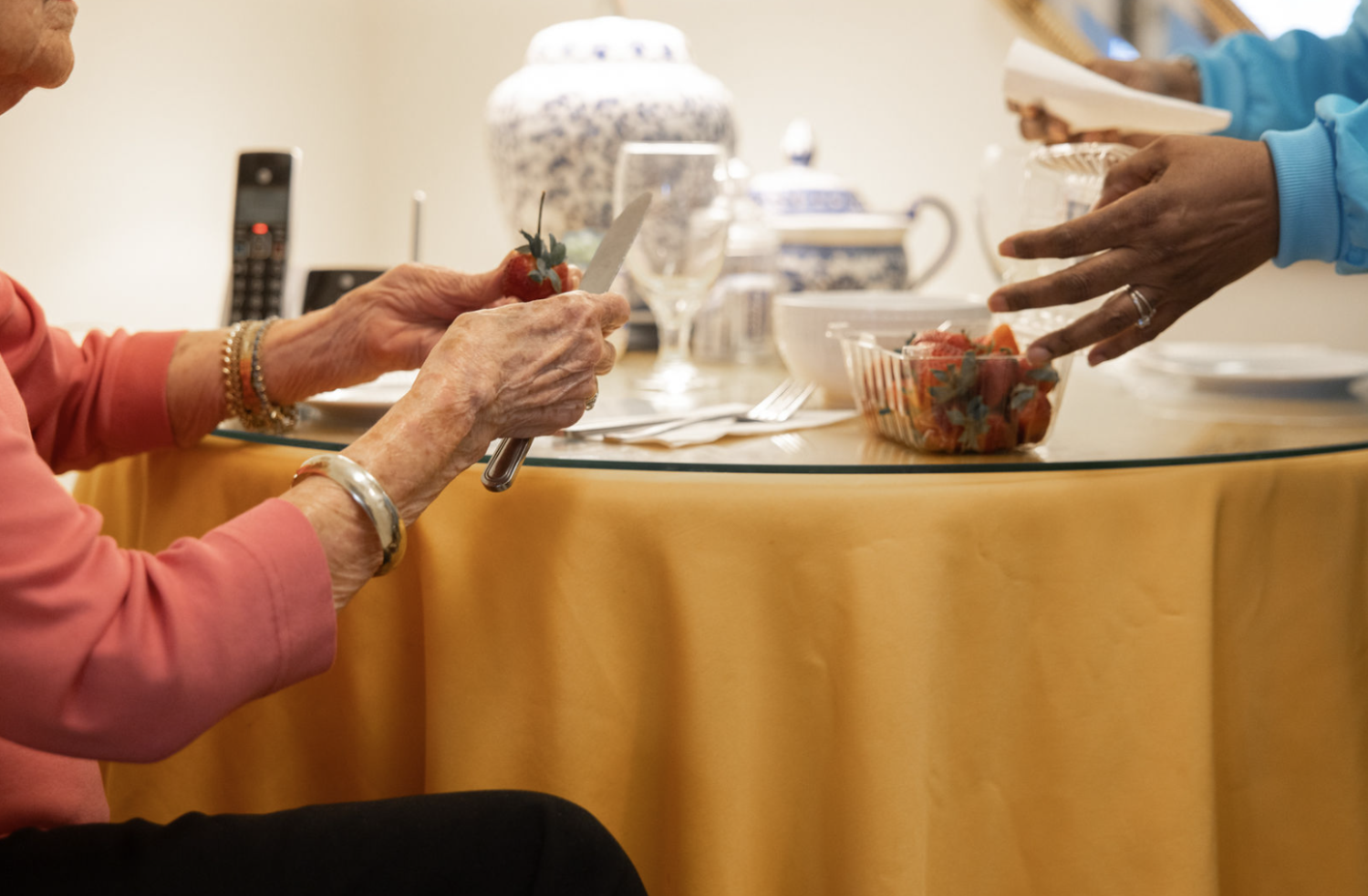
When we think about staying safe, healthy, and independent at home, we often focus on basic self-care tasks—bathing, dressing, eating. But there’s another category of tasks just as vital for independent living: instrumental Activities of Daily Living, or iADLs. What Are iADLs? iADLs are the more complex tasks that support daily life and enable someone to live independently. These include: Managing medications Handling finances Preparing meals Shopping for groceries Using transportation Housekeeping and laundry Communicating via phone or other devices Unlike basic ADLs, iADLs require a higher level of cognitive function and coordination. When these tasks become challenging, they can be early indicators that someone might need extra support to stay safely at home. Why iADLs Matter Maintaining iADLs is directly linked to preserving independence and dignity. When someone begins to struggle with managing medications or keeping up with meals and housework, it not only affects their physical health but also their emotional well-being. For many older adults or individuals with special needs, these tasks are the bridge between thriving independently and requiring full-time care. In fact, challenges with iADLs often signal the need for more advanced home care solutions. That’s why understanding and supporting iADLs can prevent more serious issues down the line—like falls, medication errors, or malnutrition. Ask the Expert: Recognizing the Signs Our experts at Solutions for Living at Home frequently answer questions from families concerned about their loved ones’ ability to handle iADLs. Are bills piling up? Is food in the fridge spoiling? Are medications missed? These are all signs it might be time to consider additional support. How Solutions for Living at Home Can Help At Solutions for Living at Home, our compassionate Solutions Partners specialize in supporting individuals with both basic and instrumental daily tasks. We offer custom care solutions designed to meet your loved one’s unique needs—from managing medications to ensuring the home remains clean and safe. Our approach is relationship-based, prioritizing trust, consistency, and connection. Whether you’re exploring advanced home care for a parent, seeking holistic home care for a spouse, or simply want peace of mind for yourself, we’re here to help. Let us support your family with the care and respect you deserve. Discover how our quality home care can promote independence and ensure safety at home.

Substance Abuse in Seniors is on the Rise
There’s no doubt that modern developments of certain medications have not only saved lives but alleviated many symptoms of chronic illnesses that make it possible for people to thrive. However, when not used properly, drugs can cause a new set of health problems and also lead to addiction and abuse of that substance. Because substance abuse is on the rise in aging adults, it’s important for family caregivers to be aware of the problem, watch for symptoms and be prepared to step in and help as needed. What is Substance Abuse in Seniors? Substance abuse is the misuse of legal and illegal drugs and/or alcohol in ways that go beyond their intended use. Often, the substances are used in excessive amounts to create certain feelings or reactions in the body. Seniors are often drawn to substance abuse to get through stress or trauma, such as declining health, loss of a loved one, mental health issues and worry about finances and the future. These higher doses of drugs and alcohol can cause health problems in the body, straining organs, enhancing diseases and creating dependence for the physical and mental reactions the substances stimulate. Elderly adults are often more susceptible to the health dangers of substance abuse because their bodies are not as robust in regaining health, so the substance abuse takes a higher toll. Because aging adults also take many different kinds of medication for health issues, they are more likely to suffer from adverse reactions when medications are not taken properly. Treating Seniors with Substance Abuse Family caregivers and home care providers will be among the first to recognize that the aging adult is dealing with substance abuse. Symptoms include lethargy, confusion, insomnia, mood swings, depression, anxiety and memory loss. Certain behaviors can also give away a substance abuse problem. Examples include getting defensive about taking medicine or alcohol intake, make excuses about needing more, sneaking medication out of bottles and filling up prescriptions before they are due and taking medication differently than instructed by a doctor. If they suspect that substance abuse is happening, family caregivers and home care providers must take the first step in setting up a doctor’s appointment. The doctor can help the elderly adult sort out their medications and see a pattern of substance abuse. If the aging adult needs to deal with an addiction of some kind, the doctor can help with that process as well. However, the doctor can only help with the physical aspects of substance abuse, so they usually recommend a therapist to guide the aging adult through the emotional and mental healing needed. When elderly adults have a substance abuse problem, it’s common for family caregivers to overlook it or not even notice it. However, to have the best physical and mental health possible, elderly adults should not be bound up by addiction and abuse. Instead, they must rely on their support team and handle the challenges of life feeling healthy, strong and loved, without the cloud of substance abuse hanging over them.