More Stories
From the Blog
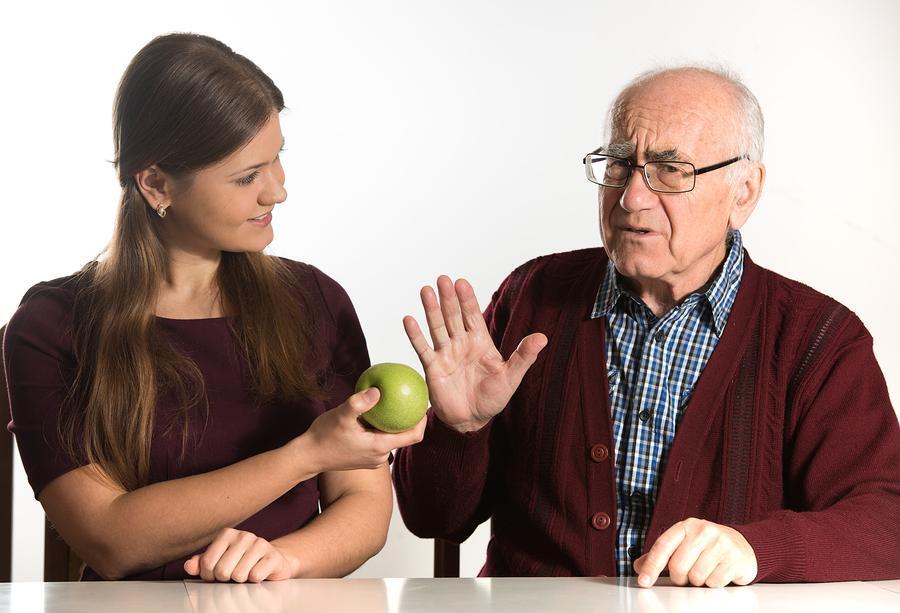
What Can You Do When Your Senior Doesn’t Want to Cooperate?
There are going to be times when your senior digs in her heels and decides not to cooperate with plans you’ve made for her health. When you’re just trying to do what’s right for her, this can feel like a slap in the face. This Behavior May Be Less Deliberate than it Seems In the moment it’s hard to process what’s going on, but the responses you’re getting from your senior might be less deliberate than they appear. She may be responding the way that she is because of situations that you don’t fully understand or even know about yet. So, give this some time to really investigate what’s happening. Arguing Is Going to Make it All Worse If your senior is resisting and you’re opting to argue with her, don’t be surprised if that escalates things markedly. You can present a perfect argument for your cause, but that doesn’t mean she’s going to see things the same way. The more emotion you put behind your pitch, the more she’s likely to resist. Stop the arguing and find another way. Practice Patience and Compassion You’re doing this because you love your senior. Hold onto that feeling with both hands. Now is the time when she most needs your patience and your compassion. Growing older, especially if she’s in pain or experiencing serious health issues, is not easy. It’s difficult and things just keep getting more difficult. Remember that and be as compassionate as possible. Try to Remember This Isn’t Personal Believe it or not, no matter what your senior says in the heat of the moment, this isn’t about you. That’s a tough pill to swallow at times, but this is not personal. If you can keep reminding yourself that none of this is about you personally, it’s going to be easier for you to practice loving detachment. Talk to Her Doctor If you’ve tried talking to your senior and you’re still not getting anywhere, it’s probably time to talk to her doctor. Figure out what medical causes are behind what you’re experiencing so that you can put answers in place. It’s no use continuing to try to fight this situation blindly. Some stages of caregiving are more difficult than others. If this is a time in which you and your elderly family member are just not seeing eye to eye, bringing in home care providers might be the answer. They can provide the hands-on help while you step back for a bit. Excerpt: Your senior is not necessarily always going to want to go along with your plan. If you or an aging loved-one are considering Home Care in Gilbert, SC, please talk to our caring staff. Call today (803) 223-6173.

What is a Certified Care Manager? Understanding the Role and its Benefits
Caring for senior adults and others with on-going health challenges requires expertise and a thoughtful approach. This is where the distinction between a Certified Care Manager (CMC) and a Client Care Manager becomes vital. While both roles are important, a Certified Care Manager offers a deeper level of expertise, specialized training, and a broader scope of services that truly benefits the individual. A Client Care Manager coordinates services within the home care agency, ensuring the needs are being provided with the right service plan, schedule, and caregiver. A Certified Care Manager, however, is a professional with advanced certification who manages a wide range of support and care needs. Their role includes creating comprehensive plans that consider an individual’s physical, emotional, and social well-being, going beyond the basic services offered by a home care agency. Certification Requirements Becoming a Certified Care Manager involves meeting strict educational and experience requirements, followed by passing a rigorous exam. Certified Care Managers must also keep up with ongoing education, ensuring they are aligned with the best practices and ethical standards in care management. The Benefits of Certified Care Managers A Certified Care Manager provides tailored plans that address every aspect of an individual’s life, from health and personal preferences to social needs. They ensure that support services are well-coordinated, advocating for the individual in healthcare settings, and prioritizing their dignity and autonomy. An Example in Practice Take Mrs. Thompson, an 82-year-old with complex health needs. Initially supported by a home care agency, her family eventually turned to a Certified Care Manager as her condition became more complicated. The CMC created a comprehensive plan that included medical appointments, home care coordination, state resources, and long-term care insurance guidance, enabling Mrs. Thompson to live comfortably and safely at home. Announcing Solutions’ Certified Care Management Program We are excited to announce the launch of our Certified Care Management program on October 1, 2024. This new service will provide senior adults and those with those with ongoing health challenges with the highest level of personalized, comprehensive support.
What to Expect in the The Final Stages of Parkinson’s Disease
When your older family member’s doctor told them that they have Parkinson’s disease, they probably explained that the disease gets worse over time. However, as a family caregiver, you may be uncertain just what that means for their future. In fact, you might be wondering just how bad the disease will get. Knowing what to expect can assist you with making plans for their care when the disease reaches its final stages. What Are the Late Stages of Parkinson’s Like? There are five stages of Parkinson’s disease. When doctors talk about the “late stages” of Parkinson’s disease, they are usually referring to stages four and five. By the time the senior reaches stage four, they are disabled and need help to do many things. They might still be able to stand up on their own but will probably need to use a mobility aid like a walker to move around safely. Because they need help with many daily activities, the senior will not be able to live alone. In stage five, your aging relative will no longer be able to stand up or get out of bed without help. They are likely to fall when they are standing or turning. Because of the high probability of falling, the person must have constant care to keep them safe. In addition to motor symptoms, the senior may also experience delusions or hallucinations. Late Stage Care Being a caregiver during the late stages will be a big responsibility. Your aging relative will need help for nearly everything, which can be exhausti ng and time consuming. One thing you’re likely to spend a lot of time doing is lifting the senior to a standing position or helping them transfer from a wheelchair to another surface. It’s important that you learn the proper techniques to keep you safe and prevent injuring the older adult. Ask the doctor for a referral to a physical therapist who can teach you. Your aging relative will also need help using the bathroom and bathing, which can be uncomfortable for some people. It may be a good idea to talk t o your family member in the earlier stages about how they will want to handle these things when the time comes. They may be more comfortable with certain family members than with others. Or, they may prefer to have a professional assist them. Regardless o f whether the person feels comfortable with family members helping them with personal care, it’s likely you will need to bring in some outside help so that family caregivers can take a break or attend to other responsibilities. Contacting a senior care agency during early stages can ensure you’re prepared when new care needs arise. Senior care providers can come to the house for just a few hours a week or for entire days. Senior care can also offer overnight care services. If you or an aging loved-one are considering senior care in Forest Acres, SC, please talk to our caring staff. Call today (803) 223-6173.

What Goals Can Elder Care Help Your Senior Reach?
At this stage in your elderly family member’s life, she likely has a few different goals related to her health and to her future. Having your help can get her much closer to those goals. But even more than your help, the help of elder care providers can also be invaluable. Staying at Home and Remaining Independent One of the biggest goals that aging adults have is to stay in their own homes for as long as they possibly can. This might seem impossible to you, but with help, your elderly family member can much more readily do this. Home care can help to assess your senior’s needs for assistance and make it easier for you to meet those needs for as long as possible. Keeping Family Involved Your senior’s other family members may want to be more involved in her care, but they’re just not sure how to do that. They may not have all the resources that they need to be as helpful as they want to be or they may simply feel as if they’re not able to do what needs to be done. Regardless, home care enables them to feel more comfortable staying involved. Maintaining Morale If your elderly family member is forced to leave her home or to spend extended time in the hospital, that’s going to drag her morale down significantly. Healing at home is a much better option, especially if you’re primarily considering her mood. Keeping your elderly family member happy and engaged in her own life is a key part of ensuring that she remains as healthy as she possibly can. Avoiding Return Trips to the Hospital After a trip to the hospital, the last thing that your elderly family member wants is to have to go back. Having help at home can allow her to rest as she should and it gives you the opportunity to have someone knowledgeable about elder care there with her. This is especially vital if your senior wants to spend as little time in the hospital as possible. Going back soon after a visit is not something that you or she want in those circumstances. Something as simple as bringing elder care providers into your aging family member’s life can help her to meet so many of her own goals. They can keep her on target and give her ways to solve problems that she thought she would have to just live with for the time being. If you or an aging loved-one are considering Elder Care in Chapin, SC, please talk to our caring staff. Call today (803) 223-6173.
When Caregivers Compete: Keeping the Family Cohesive
If there’s anything harder than being a caregiver, it’s sharing caregiver duties with other family members, like siblings. It’s pretty rare for family members to see eye to eye on every aspect of caregiving, which can lead to conflict. They may disagree about the kind of care that is needed or struggle with finding a fair balance. If you’re struggling to keep the peace with your fellow family caregivers, below are some tips to help you work better together and prevent arguments Set Common Goals Hold a family meeting and ask that all family caregivers be present, even if they must do so by phone or video conference. The older adult should be involved as well unless they are not capable of making decisions. At the meeting, talk about what kind of care is needed. It can help to bring medical records and other health information to the meeting in case someone is in denial about the situation. Once you have reached a consensus on the care needed, move on to discussing how each caregiver can help. Those who do not live close by can help by offering emotional support, scheduling appointments, managing finances, and keeping the caregiver schedule. Take a New View of “What’s Fair” If one of the things causing conflict is the way time is divided between caregivers, you may need to reexamine what is truly fair. Not everyone has the same amount of time to spare, so simply saying that each family caregiver must spend 10 hours per week with the older adult isn’t necessarily realistic. Instead, really think about what is going on in each person’s life and consider how much time each person can realistically be expected to give. You can always divide up duties that aren’t hands-on, like taking care of finances, to make things more even. Take Responsibility for Suggestions Someone will inevitably say that something needs to change. Suggest to all family members that if they believe a care aspect needs to change, they must also present a plan for making the change. This can prevent people from complaining without offering solutions. See Discussions as Brainstorming Instead of Competition When a disagreement comes up, try to see it as an opportunity to make positive changes instead of thinking of it as a competition. You don’t have to come out of the discussion “right.” The real goal is for your aging relative to receive great care. Disagreements can lead to improvements If you or an aging loved-one are considering a caregiver in Columbia, SC, please talk to our caring staff. Call today (803) 223-6173. Sources https://www.aarp.org/caregiving/life-balance/info-2018/siblings-competing-for-control.html?intcmp=AE-HP-TTN-R2-POS3-REALPOSS-TODAY https://www.caregiver.org/caregiving-with-your-siblings https://www.nextavenue.org/caregiving-with-siblings/

Why Does My Elderly Relative Only Eat Junk Food?
One of the areas that tend to suffer when aging adults are in charge of their own meals is that the healthfulness and nutritional content seems to decline. In other words, elderly adults often turn to junk food as the main source of calories and nutrition. Because there are plenty of bad ingredients in today’s convenience food, it’s important for aging adults to have alternatives that better reflect recommended dietary standards. Family caregivers and home care providers may find that it is hard to convince the elderly adult that eating right is best for staying healthy and fighting off any chronic diseases they already have. Nutrition is Important for Seniors Good nutrition is important for aging adults and their typical body functions. Nutrition is also a key part in fighting some of the senior’s chronic conditions. Diet can even play a role in maximizing or minimizing side effects of some diseases like diabetes and high blood pressure. Seniors also tend to heal more slowly from infections and injuries, so good nutrition can help hasten that, too. Plus, nutrition can help seniors stay more mentally alert for longer. There’s simply no excuse for allowing aging loved ones to binge on junk food and avoid the healthy food. Why Seniors Choose Junk Food Of course, the main reason why seniors choose junk food is the same as why every other person does—it tastes good. Sugar, salt and fat are highly desirable tastes for most people, so it makes sense that the body craves them. However, they are not good for humans, and adults should choose alternate healthy options for most meals and snacks. Other reasons why aging adults choose processed food is that it is often easier to make than something nutritious that is more from scratch. For example, making a freezer meal in the microwave is definitely easier for someone struggling with strength and stamina than preparing a healthy dish. Another reason is that aging adults often have diminished taste buds and the strong artificial flavors in processed food registers as tastier to the brain. Still other elderly adults turn to junk food as a comfort as they nurture an emotional attachment to it. Home Care Providers Can Help Seniors Choose Healthy Meals When family caregivers hire a home care provider to assist their aging loved one in daily tasks, this usually includes meal preparation. Home care providers can create delicious and nutritious meals for aging adults, full of vitamins, minerals and nutrients that they need. A balanced diet that tastes good is hard for aging adults to resist. Home care providers can also customize the menu to include the elderly adult’s favorite foods. When seniors have a home care provider taking charge of the meals, they are more likely to avoid the junk food and embrace the delicious meals prepared for them. If you or an aging loved-one are considering Home Care in West Columbia, SC, please talk to our caring staff. Call today (803) 223-6173.

Why Elder Care Providers for Seniors a Good Idea
Across the country, millions of senior citizens struggle to live on their own, independent of help from others. Numerous health issues often prevent them from being able to complete important and necessary tasks related to health and safety. Family members often worry about their aging relatives and try to help when possible. However, due to their own responsibilities, they can’t always be with their aging loved one when needed. When family caregivers see the signs that their elderly relative is struggling as they age at home, they should investigate hiring an elder care provider. Professional, compassionate and reliable, elder care providers can lend a hand to seniors who are seeing daily life as increasingly challenging. Personal Care Physical limitations often leave elderly adults unable to complete their morning routines on their own. From slipping in the shower to managing button holes on a shirt, some of the most basic tasks are out of reach due to health issues and chronic conditions. The elder care provider is trained to help seniors with a range of tasks relating to personal care. Getting Around the Home and the Community Reduced mobility often makes getting around the house a real challenge. This is especially true for seniors who struggle with things like the after-effects of a stroke, Parkinson’s disease, or age-related muscle weakness. Sometimes, seniors need help getting in and out of bed or up and down from a chair. Elder care providers can walk with seniors and get them settled in, always on hand in case they need anything. These professionals can also drive elderly adults to appointments around town, such as to pick up prescriptions. Preparing Meals and Snacks Many elderly adults no longer have the stamina or ability to prepare healthy meals and snacks. Malnutrition and dehydration are quite common in elderly people who can’t execute meal plans as they once did. Elder care providers can shop for groceries, prepare meals and snacks, and even eat with the aging adult to make those potentially lonely times more of a social event. Medication Management Surveys show that most elderly adults take at least two prescription medicines per day, if not more. Used to control numerous symptoms, prescription medication should be taken at the right time at the proper dose. However, elderly adults don’t always remember to do so, or may take their meds improperly. Elder care providers, while unable to administer medication, can remind seniors what to take and when. Companionship The best part about elder care providers and in-home assistants is that they can be with the elderly person when they would otherwise be alone. Loneliness, isolation and depression in seniors have been linked to increased health problems, mental health decline and a reduced quality of life. Building a relationship with a compassionate elder care provider is a proven benefit for aging adults. If you or an aging loved-one are considering a Home Care in Lexington, SC, please talk to our caring staff. Call today (803) 223-6173.
Why an Evaluation is Crucial for Successful In-Home Care
When considering in-home care for a loved one, a thorough home care evaluation is a vital first step. This assessment ensures that the care provided meets the unique needs of the individual, creating a safe and supportive environment that promotes their well-being and independence. Understanding Individual Needs A home care evaluation allows for a personalized care plan tailored to the specific needs of your loved one. Beth McCrary, Client Care Specialist with Solutions for Living at Home, emphasizes the importance of this process. "Part of my role as a client care manager is that I do go in and meet with the family and do a thorough home evaluation and care assessment. I like to do that with both the client who needs care and with an adult relative...because that helps me get the full picture of what the care needs are." Identifying Safety Concerns One of the key components of a home care evaluation is identifying potential safety hazards within the home. This includes checking for trip hazards like rugs and cords, ensuring grab bars are installed in the bathroom, and looking for clutter that might obstruct pathways. By addressing these issues, the risk of accidents is significantly reduced, creating a safer environment for your loved one. Tailoring Care Plans During the evaluation, a comprehensive understanding of daily routines, dietary needs, and personal preferences is established. This allows caregivers to provide support that aligns with the individual's lifestyle, promoting comfort and familiarity. Additionally, continuous communication between the care manager, caregivers, and family members ensures that the care plan evolves with the changing needs of the client. Continuous Reevaluation of Care Plans Care needs can change over time due to various factors such as health conditions, mobility issues, or cognitive changes. A good home care service should frequently reevaluate the needs of the client to ensure the care plan remains effective and relevant. As McCrary points out, "The caregivers often become aware of care needs that the family was unaware of...there is constant communication between me and the caregivers and also the family members to keep a service plan, a plan of care up to date and current as the care needs change." According to a report from the National Institute on Aging, regular reassessments are crucial for adapting care to meet evolving needs and ensuring the highest quality of life for seniors. This highlights the importance of choosing a home care service that prioritizes ongoing evaluations. Enhancing Family Support A home care evaluation also strengthens family support services. By involving family members in the assessment process, a collaborative approach is fostered, ensuring everyone is on the same page regarding the care provided. This collaboration helps to alleviate stress and build trust between the family and the care team. Ensuring Comprehensive and Adaptive Care In summary, a home care evaluation is crucial for making in-home care a success. It allows for the creation of a personalized, safe, and effective care plan that addresses the unique needs of your loved one. By identifying safety concerns, tailoring care plans, and enhancing family support, the evaluation process ensures that in-home care is both effective and compassionate. Regular reevaluations are essential to adapt to changing needs, maintaining the highest standard of care. For more information on our comprehensive care solutions and services, visit our Solutions for Living at Home page. Beth McCrary's full interview on Navigating in Reverse: The Podcast can be found on their website or anywhere you enjoy your favorite podcasts.

Why Facebook May Be A Great Addition To Your Life
Do you have children or grandchildren you would like to keep up with? Would you like to see their photos from that amazing beach vacation they just took or photos from your grandchild’s graduation ceremony? Then Facebook may be a great thing for you to try. Facebook is also a great tool to learn more about topics that interest you, keep up with promotional opportunities from your favorite brands, news and events happening in the area, or even start an online business. Not to mention, it can be very entertaining. If you aren’t aware of what Facebook is, it’s a social networking site that allows you to share photos, videos and status updates with your friends. “Status update” is basically just a fancy way of saying that you can tell everyone what you are up to. According to Hootsuite, over 2.2 billion people log into Facebook every month, so there is a good chance your loved ones use Facebook frequently. And if you think you are “too old” for Facebook, don’t worry. The number of Facebook users over the age of 65 makes up over 40% of the total number of Facebook users, so you would be in great company! If you would like to create a Facebook account, here are some steps to do so according to Facebook’s Help Center: 1) Go to www.facebook.com/r.php 2) Enter your name, email or mobile phone number, password, date of birth, and gender 3) Click Sign Up 4) To finish creating your account, you need to confirm your email or mobile phone number. (A message will be sent to either your email address or mobile phone and you just click Verify or Confirm”) And that’s it! The possibilities with Facebook are endless and we hope you consider using this fun tool.

Why a Home Safety Assessment Is Essential for Quality Home Care
For families navigating the complexities of advanced home care, ensuring a safe and accessible home environment is one of the most crucial steps. A home safety assessment helps identify potential hazards, improve mobility, and create a space where loved ones can thrive with dignity and independence. In our latest #AskTheExpert segment, we explored why home safety should be a top priority and how a professional assessment can make all the difference. What Is a Home Safety Assessment? A home safety assessment is a thorough evaluation of a living space to identify risks that could lead to falls, injuries, or barriers to daily activities. This process is especially important for older adults, individuals with disabilities, or anyone receiving continuous home care. At Solutions, our Client Care Managers conduct these assessments, working closely with families to ensure the home environment is optimized for comfort, accessibility, and peace of mind. While our Solutions Partners (caregivers) provide ongoing insight into safety concerns, the initial assessment is led by our experienced Client Care Managers. Why Home Safety Assessments Matter 1. Prevents Falls and Injuries Falls are one of the leading causes of injury for older adults. During a home safety assessment, our Client Care Managers evaluate factors like slippery floors, loose rugs, poor lighting, and stair accessibility to minimize risks. Expert Insight: In our #AskTheExpert discussion, we highlighted how small modifications—like grab bars in bathrooms or non-slip mats—can prevent dangerous falls and support aging in place. 2. Supports Independent Living A well-adapted home allows individuals to maintain their independence longer. Assessments focus on enhancing home mobility aids such as wheelchair ramps, wider doorways, and ergonomic furniture placement to support daily activities without assistance. 3. Creates a Comfortable and Functional Space Beyond safety, assessments focus on holistic home care by ensuring a living space promotes overall well-being. This might include adjusting furniture for better navigation, optimizing kitchen spaces for accessibility, or even improving lighting for better visibility. Key Areas Evaluated in a Home Safety Assessment Entryways & Stairs – Are ramps, railings, and non-slip surfaces in place? Bathrooms – Are grab bars, shower chairs, and anti-scald devices installed? Lighting – Is the home well-lit to reduce fall risks? Furniture & Layout – Is the space easy to navigate for wheelchairs or walkers? Emergency Preparedness – Are smoke detectors, medical alerts, and emergency contacts easily accessible? Making Home Safety a Priority A home safety assessment isn’t just about modifying a space—it’s about ensuring family support services that promote independence, comfort, and well-being. Whether your loved one is aging at home or recovering from an illness, a proactive approach to home safety can make all the difference. Caring for a loved one is easier with the right support. Let our team help you create a home environment that promotes safety, dignity, and peace of mind.
Why Your Parents Should Take a Closer Look at the DASH Diet
According to the American Heart Association, around 103 million men and women in the U.S. have high blood pressure. Some of this increase is due to the change in hypertension guidelines. In a 10-year span, there was a 38 percent increase in deaths related to high blood pressure. Of those who are at least 40 years old, about 56 million also meet the requirements for needing medications to help lower cholesterol levels. For people with high blood pressure, doctors often recommend two things. One is to get at least 30 minutes of moderate activity daily for at least five days each week. The second thing is to follow the DASH diet. Do you know what this diet is? What You Need to Know About the DASH Diet DASH Stands for Dietary Approaches to Stop Hypertension. It focuses on vegetables, fruits, whole grains, nuts, beans, and low-fat or nonfat dairy items. Most people eat anywhere from 1,600 to 3,100 calories per day depending on activity levels. Men and women over the age of 51 are recommended to be in the lower end of this calorie scale. The DASH Diet limits sodium intake and avoids sugars and saturated fat. Studies were performed in adults with blood pressures ranging from 120 to 159 (systolic) over 80 to 95 (diastolic). After a full two weeks on this diet and an entire month of lowering sodium intake, most participants found their blood pressure readings dropped by an average of 7.3 points for systolic blood pressure and 3.6 points for diastolic. Dietary Guidelines for DASH Diet Meals and Snacks Based on a 2,000-calorie diet plan, the goal of the DASH diet is to create meals and snacks that are high in calcium, fiber, magnesium, potassium, and protein. You should meet these requirements each day. 6 to 8 servings of whole grains (Barley, farro, and quinoa are examples.) 6 servings of lean proteins (Especially fish and seafood) 4 to 5 servings of vegetables4 to 5 servings of fruit 2 to 3 servings of low-fat or nonfat dairy 2 to 3 servings of healthy fats and oils while avoiding saturated and trans fats (Avocado, olive, and sunflower oil are good options.) No more than 2,300 mg of sodium with 1,500 mg being the goal On a weekly basis, desserts and sweets need to be limited to no more than 5 servings. Nuts and beans need to be limited to 4 or 5 servings a week. Management of high blood pressure requires diet and exercise. It may also require your mom or dad to take medications every day. If they can't remember on their own, they'll need reminders. Talk to a senior care agency about caregivers. They can cook meals, drive your parents to appointments, and remind them when it's time to take a walk or take daily medications. Call a senior care agency to learn more. If you or an aging loved-one are considering Senior Care in Cayce, SC, please talk to our caring staff. Call today (803) 223-6173.

You're an Only Child, so How Can You Get Breaks From Caregiving?
An estimated 34 million adults in the U.S. are family caregivers helping an adult 50 or older. Those 34 million don't get any pay for that care. The average caregiver spends an average of 19 days helping out and 13 hours arranging medical care, paying bills, and researching matters related to care. Some caregivers have other family members they can fall back on for help. What if you're an only child? It can be harder to take breaks, but it doesn't have to be impossible. Create a List of the Care Your Parents Need Before you do anything else, create a calendar of the care your parents need. Create a daily schedule, weekly schedule, and monthly schedule. Set it up on a computer and print out copies. Daily tasks often include things like medication reminders, walking the dog, assistance getting dressed, and meal preparation. Weekly tasks focus on things like laundry, changing sheets, grocery shopping, and vacuuming carpets. Monthly tasks typically include prescription refills, paying bills, and scheduling medical appointments. Talk to Everyone You Know It's hard but talk to everyone close to your parents or yourself. Your mom's best friend may have three hours a week where she'd be happy to spend time with your mom. Your dad's brother may have a day free to take him out for lunch. It never hurts to ask. The worst that happens is you're told no. You can also call the local Agency on Aging to see if there are volunteer organizations near you. Some churches have volunteers who will send someone to help out from time to time. You might also find a high schooler who needs to complete a certain number of community service hours before he or she can graduate. Bring a printout of the care your parents need each day, week, and month. When others see what you're doing, you might find someone willing to take one task off your list. Your mom's friend may offer to drive her to an appointment. Your dad's brother may offer to pick up groceries if you order them online. Arrange Part-Time Senior Care Services Arrange to have caregivers come in on a part-time basis and help fill gaps that others can't help with. Make sure you're arranging enough care to leave you with at least an hour free each day. Use this hour to take a walk, de-stress, or take care of your own household obligations. Respite care services are easily arranged by calling a senior care agency. Call now to find out more. If you or an aging loved-one are considering Senior Care in West Columbia, SC, please talk to our caring staff. Call today (803) 223-6173. Sources: https://www.caregiver.org/caregiver-statistics-demographics