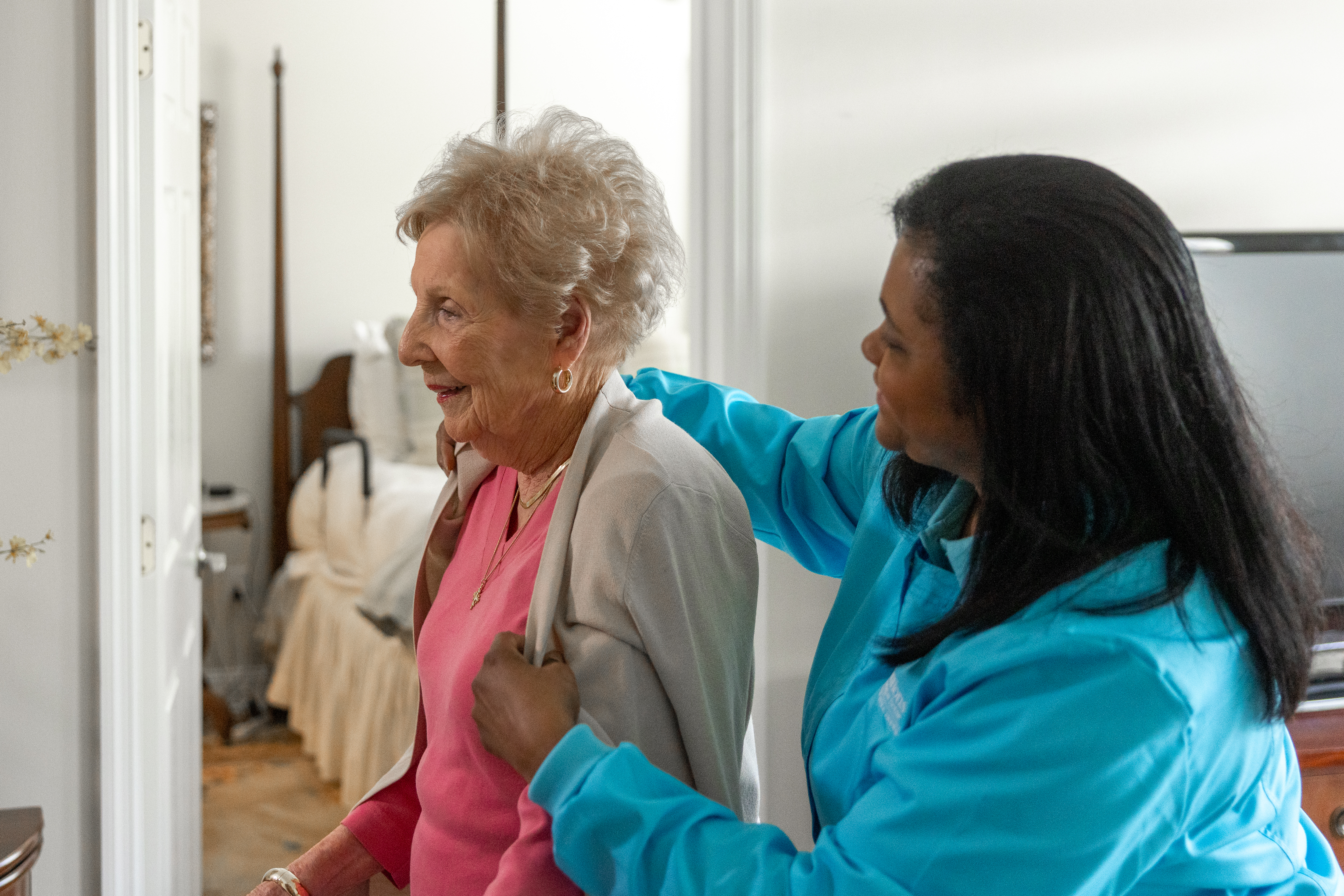
Who's In Your Home? Why Caregiver Screening Shouldn't Be a One-Day Job
October 2, 2026
The Question Every Family Should Ask Before Hiring a CaregiverInviting someone into your home is one of the most intimate decisions you make, especially if that person is there to provide care. You extend a level of trust to this individual. Can they meet my needs? Will they be loving and respectful? Do they know what they're doing? Am I safe? You or your loved one are extending your lives to include someone new. That matters.It's not just "who," it's "who vetted them"The state is full of caregiver options. You'll have private sitters who self-employ; national agencies with corporate offices nowhere near your home; even mom and pop shops who have incredible intentions, just maybe not incredible resources. With a nonprofit agency like Solutions for Living at Home, they have the reputation and resources of an established faith-based senior living community. That means you know they've gone through a certified and regulated process of screening qualified applicants.What's really at stake when a stranger enters your loved one's homeBackground checks, certification confirmation, basic training and safety – all of this gives you the best chance of having safe and reliable care.The Problem With "Fast" Caregiver PlacementWhen a parent comes home from the hospital, or a fall changes everything overnight, the clock feels loud. You need help, and you need it now. We understand that. But "now" is exactly when families are most vulnerable to shortcuts.What a rushed hiring timeline can (and can't) actually verifyA fast process can confirm that someone is available. It can't confirm that they're right for your family. A same-day placement might include a quick online search and a phone call. What it can't include is the careful, layered verification that tells you who a person really is and how they've handled responsibility before.Background checks, references, and training take real time, and here's whyGood screening isn't one box to check. Records have to be searched and returned. References have to be reached and asked real questions. Licenses and certifications have to be verified, not just taken at someone's word. Training has to be completed, and skills have to be reviewed. Each step takes time because each step is meant to catch something.Speed vs. safety: a false tradeoff families shouldn't have to acceptYou shouldn't have to choose between getting help quickly and getting help you can trust. A well-run agency does the hard work up front, so that when you call, caregivers are already screened, cleared, trained, and ready to be matched with your family. That's the difference between fast because it's prepared and fast because it's cutting corners.Our Screening and Hiring Process, Step by StepWe believe you have the right to know exactly how someone becomes a caregiver at our door. Our goal is simple: identify qualified, dependable, compassionate caregivers who are a good fit for our clients, and make sure every requirement is met before anyone provides care. Here's how it works.Application reviewIt starts with the application. We review work history, certifications, and references closely, looking for the experience and credentials that match the work of caring for older adults.A phone screening that covers the practical detailsBefore we ever meet, we talk by phone to confirm the basics that make care reliable: availability, transportation, service area, and experience. If the practical pieces don't line up, it's better for everyone to know early.In-person interviews, not just phone screensA resume can't tell you whether someone is patient or kind. A live conversation can. We meet candidates in person to assess professionalism, communication, reliability, compassion, problem-solving, and comfort with caregiving duties. We pay attention to how they listen and how they talk about the people they've cared for. Then we ask a final, important question: is this person a good fit for Solutions for Living at Home and for the clients we serve?Pre-hire clearance: background checks, health requirements, and verified credentialsAn offer isn't the end of screening. Once HR extends an offer and confirms the position and pay, the candidate must complete the required background checks, screenings, reference checks, and health requirements. We also verify licenses, certifications, credentials, and identification, along with all required documentation. No one provides care until these regulatory requirements are met.Orientation and Training That Go Beyond a ChecklistPassing a screening gets someone to the starting line. What they learn next shapes the care your loved one receives.Orientation grounded in our mission and your loved one's dignityEvery new caregiver completes orientation and learns our Mission, Vision, and Values, along with our Care Promises. They review client rights, dignity, privacy, confidentiality, and person-centered care, so they understand that how care is delivered matters as much as what is done. They also learn our policies on attendance, call-outs, scheduling, professionalism, and communication, so you can count on them to show up prepared.Safety and reporting expectationsCaregivers are trained to recognize and report abuse, neglect, and exploitation, to follow incident reporting and emergency procedures, and to document their care. They also know exactly who to contact with questions or concerns. Speaking up is expected, not just allowed.Skills training and competency reviewsOur caregivers complete required training and competency reviews before they're matched with a client, covering skills such as mobility assistance, personal care, infection control, and emergency procedures. Training isn't just about knowing the steps. It's about showing they can do them safely and with respect.Matching Caregivers to Families the Right WayA qualified caregiver isn't automatically the right caregiver for your family. Care is personal, and the match matters.Personality and compatibility fit, not just availabilityIs your mom a quiet morning person who loves a crossword? Does your dad want someone with a good sense of humor who can talk baseball? We look at much more than an open schedule. We consider skills, experience, your loved one's needs, availability, location, communication style, personal preferences, and any required certifications, then look for the caregiver who fits.Care plan review before the first visitBefore a caregiver's first visit, they review your loved one's care plan and the expectations that come with it. That way, they walk through the door informed, prepared, and ready to care for the person in front of them, not figuring it out as they go.What if a match isn't right?Not every pairing clicks, and that's no one's fault. If something isn't working, tell us. We'll listen, make adjustments, and work toward a better fit without making you feel awkward about asking. Your comfort in your own home comes first.Accountability After Day OnePlacing a caregiver isn't the finish line. It's the beginning of our responsibility to you.Check-ins that start in the first weekWe don't wait for problems to surface. Our team completes a first-week check-in and a 30-day check-in with each new caregiver, followed by ongoing communication. These conversations help us see how care is going, answer questions early, and keep your family's experience on track.How families can give feedback or raise concernsYou'll always have a real person to talk to, whether it's a small suggestion or a serious worry. No concern is too minor, and no question is a bother. Open communication is how good care stays good.Supporting caregivers, and addressing it when a standard isn't metWhen we recognize strong performance, we say so. When we see an area for improvement, we respond with additional training and education, not just a warning. Caregivers who feel supported and valued, with real opportunities to grow, are the caregivers who stay, and consistency is something families notice and deserve.What to Ask Any Home Care Agency Before You HireWhether you choose us or someone else, you deserve clear answers. These questions can help you see what's behind the promises.Questions about background checks and screening depthAsk what checks are run and when. Ask whether employees complete background checks, reference checks, and health requirements before providing care, and whether the agency verifies licenses, certifications, and identification. Ask them to walk you through the process step by step.Questions about training and certificationsAsk what training caregivers complete before working in a home, and how competency is reviewed. Ask what they cover on safety, abuse and neglect reporting, and client rights, and whether there is specialized training for conditions like dementia.Questions about oversight after placementAsk who supervises caregivers, how often they check in, and how problems are handled. Find out how quickly you can reach someone and what happens if you want to change caregivers.Your quick questions checklistBefore you hire, ask:What background checks and health screenings are completed before a caregiver starts?How do you verify references, licenses, and certifications?Do you interview caregivers in person?What training and competency reviews are required before a first visit?Is there specialized training for dementia and mobility needs?How do you match caregivers to clients?Who checks in after placement, and how often?Who do I call with a concern, and how fast will someone respond?Peace of Mind Starts With the Right ProcessWhy we'd rather take an extra day than take a shortcutTrust is built, not rushed. We would rather take an extra day to do it right than save a day and risk what matters most. That's not a slogan. It's how we've chosen to care for the families who let us into their homes, backed by the values and stability of our faith-based senior living community.Ready to meet the people behind the care?You don't have to figure this out alone. Let's talk about what you need, answer your questions, and introduce you to the kind of caregivers you'd be glad to welcome home. Contact us
Read Latest ArticleMore Stories
From the Blog

Healthy Chicken Salad
Chicken Salad is a classic high-protein meal to keep yourself energized throughout the day. With simple ingredients and a quick and easy prep, chicken salad is sure to be a routine staple in your lunch rotation. There’s nothing better than sitting down after a hard day’s work or a morning workout and taking a bite of cool, delicious chicken salad. Whether you spread it on a sandwich, have it on a flaky croissant, serve it with salty crackers, or eat it all by itself, chicken salad is customizable and versatile. One popular way to make sure you never get tired of this chicken salad is to include halved grapes for a new flavor and the added benefits of vitamin K, potassium and vitamin C. Chicken salad is creamy and flavorful, and it’s easy to store any leftovers to enjoy again. There are many ways to tweak this recipe to your liking, so adjust it whatever way works for you. Substituting some of the mayo for greek yogurt is a great way to get a little extra protein and a lighter taste. You can add in chopped grapes or veggies to your taste, of course, or any extra herbs to liven up the flavor. Serve on lettuce cups for a low-carb option that hydrates! Chicken Salad keeps best in the refrigerator in an airtight container! Remember to stir up before serving.

Signs of dehydration that aren't 'feeling thirsty.'
There is no argument that Columbia, South Carolina has earned its “famously hot” nickname. In June, July, and August, we frequently see temperatures in the low to mid-nineties. It’s simply weather we have come to expect. But, with this scorching summer heat comes an added risk to our seniors’ health: dehydration.Severe dehydration is a medical emergency. Obvious confusion, fainting, fever, lethargy, and vomiting are immediate indicators that you need medical care. But early dehydration has many warning signs if you know what to look for.Fun fact: seniors often can’t rely on the feeling of thirst to indicate their body’s need for more fluids. That feeling can diminish with age. Coupled with the fact that older adults have smaller fluid reserves in their bodies, this puts our elders at greater risk of slipping past early dehydration and into an emergent medical state. But there are plenty of additional indicators that increased fluid intake is priority number one.Urinating lessThe average adult urinates 7 times a day. If the frequency drops below that average significantly, your fluid intake should increase.Dark-colored urineUrine should be pale yellow when well hydrated. A deep yellow is an early sign that water intake isn’t adequate, and the darker the urine, the worse the dehydration. It’s important to note that urine that is so dark it is tea-colored is worth a call to your doctor.Skin that doesn’t flatten immediately when pinchedWhen you are hydrated, your skin naturally rebounds back to flat when pinched. A 2—4 second return is a sign of mild to moderate dehydration. Any longer than 4 seconds indicates severe dehydration.Unusually bad breathAs uncomfortable as this indicator may be to discuss, unusually bad breath (especially when good oral hygiene is followed) is actually an indicator of dehydration! Oral bacteria thrive in dry environments, and dehydration reduces the production of saliva, leading to a quick boost in odor-causing bacteria. So, skip the breath mint and seek out a beverage instead.Feeling hungryIt may seem contradictory, but hunger, especially after a recent meal, can indicate that the body needs more fluids. The brain uses similar signaling pathways to alert for both hunger and thirst. So, feeling chronically hungry or hungry so soon after a hearty meal is likely the body signaling it actually needs a tall glass of water.Sunken eyes or cheeksThe skin requires adequate hydration to remain plump and elastic. As someone becomes dehydrated, the skin on the face is quick to lose the structure that hydration allows, making the under eyes appear to “sink” into the eye cavity and the cheeks to sink under the cheekbones. If you are monitoring dehydration for a loved one, this is an easy sign to spot through mere proximity, no physical exam (like skin pinching) needed!TirednessIt may be worth reaching for a glass of water before the cup of coffee to see if dehydration was causing that extra fatigued feeling.Staying active is incredibly important for seniors at any stage. Getting outside for a walk, venturing downtown to visit friends, or even having coffee with a caregiver on the porch are great ways to keep the mind and body stimulated, even in the heat of summer. Aim for early morning or mid evening scheduling, always have fluids available, and stay in tune with what your body may be trying to tell you about your health.Stay cool out there, Columbia!

Fresh Fruit in Season: A Simple Way to Boost Health & Flavor
Eating fresh fruit is one of the simplest and most delicious ways to support overall health but choosing fruit in season makes an even bigger difference.With spring in full bloom, it’s the perfect time to enjoy fresh, vibrant fruits at their peak. When fruit is in season, it’s not only more flavorful, but also more nutritious and affordable. Seasonal produce is typically harvested at peak ripeness, meaning it hasn’t traveled as far and retains more of its natural vitamins and minerals.For older adults especially, adding fresh fruit into daily meals can support energy, digestion, and overall wellness, while bringing a refreshing, colorful touch to the season.Spring Fruits to Enjoy Right NowSpring offers a variety of fruits that are both delicious and simple to incorporate into everyday meals. Some of the best options this season include strawberries, pineapple, mangoes, and kiwi. These choices are naturally rich in vitamins, antioxidants, and fiber, helping to support immune health, heart health, and digestion. Their bright flavors also make them an appealing way to add more variety to your diet.For those living in South Carolina, this time of year also brings a wonderful selection of locally grown options. Strawberries are one of the first to arrive, often available from local farms and markets as early as April. As the season continues, blueberries and peaches begin to appear in stores and roadside stands. Choosing locally grown, in-season produce not only supports nearby farmers but also ensures you’re enjoying it at its freshest and most flavorful.Easy Ways to Add More Fruit to Your DayIncorporating fresh fruit doesn’t have to be complicated. Small changes can make a meaningful difference in daily nutrition. Try adding sliced fruit to your morning cereal or yogurt, blending a quick smoothie for a refreshing snack, or keeping a bowl of washed fruit within reach throughout the day. Fruit can also be mixed into salads for a balance of sweet and savory flavors, making meals more enjoyable and satisfying.For those with smaller appetites, fruit can be a light and refreshing option that still provides essential nutrients without feeling heavy.Tips for Choosing and Storing Fresh FruitTo get the most out of seasonal fruit, it’s helpful to know how to select and store it properly. Look for fruits with bright color and a fresh, natural aroma, and avoid those with bruises or overly soft spots. Most berries should be stored in the refrigerator, while bananas and some tropical fruits can be kept at room temperature until ripe. Washing fruit just before eating can also help maintain freshness and extend its shelf life.A Fresh Start This SeasonSpring is a time of renewal, making it the perfect opportunity to refresh daily routines with simple, nourishing habits. Adding seasonal fruit to your meals is a great way to support your health while enjoying the fresh flavors of the season.Whether it’s a bowl of fresh blueberries in the morning or a refreshing fruit salad in the afternoon, these small choices can add up and bring more energy, color, and enjoyment to each day.
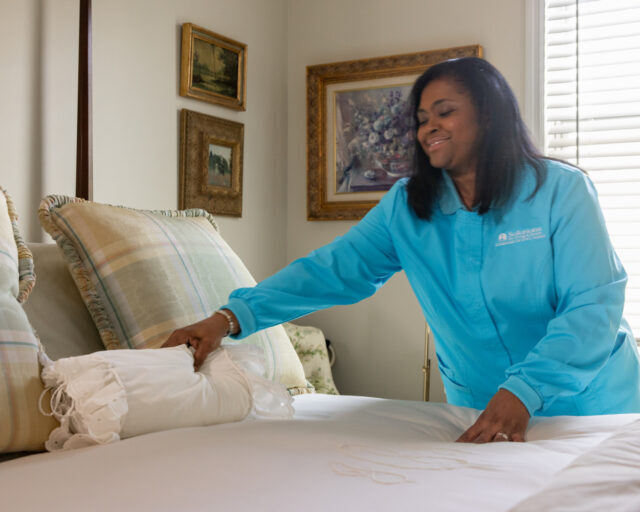
Spring Cleaning for Seniors: Decluttering for Fall Prevention
A Fresh Season, A Safer HomeSpring brings a natural sense of renewal, making it an ideal time to refresh your living space. For older adults, it is also a chance to evaluate how well the home supports daily routines.Over time, small changes such as added furniture, misplaced items, or hard to reach storage can make spaces more difficult to navigate. These shifts often go unnoticed but can affect both comfort and safety.Spring cleaning creates an opportunity to reset with purpose. Creating clear pathways, improving lighting, and placing essential items within easy reach can make the home easier to move through and better support independent living. How Clutter Increases Fall RiskEven small obstacles can create serious risks in the home. Items left on the floor, excess furniture, and hard to reach storage can make movement more challenging. Clutter can block walking paths, reduce visibility, and increase the need for bending, reaching, or straining.A more organized space allows for safer movement and makes it easier to use mobility aids such as rollators, walkers, or canes. These changes can help support both confidence and independence.Where to Focus Your EffortsEvery space in your home contributes to your overall safety. By paying closer attention to the areas you use most often, you can create a more secure environment. Living Areas: Keep walkways clear and remove tripping hazards such as cords or loose itemsKitchen: Store everyday items within easy reach to reduce strain and unnecessary bendingBedroom: Ensure a clear path from the bed to the bathroom and incorporate soft, floor-level lighting to support safe movement at night Bathroom: Reduce clutter, keep floors dry, and consider non slip surfacesSimple, Safe Decluttering TipsDecluttering does not have to feel overwhelming. A few simple strategies can make the process more manageable.Start small with one drawer or one room at a timeUse the keep, donate, and discard methodPlace frequently used items within easy reachAsk for help from family or a trusted caregiverTaking a step by step approach can make the process feel more achievable and even enjoyable.A Safer Home Starts with the Right SupportSpring cleaning can be easier and safer with the right support. At Solutions for Living at Home, we understand how important it is to maintain a home that feels both comfortable and secure.Our team can provide assistance with light housekeeping, organization, and daily tasks that help reduce fall risks and create a more supportive environment. Whether support is needed occasionally or on a regular basis, we are here to help make life at home easier.Ready to create a safer space this spring? Contact Solutions for Living at Home to learn how we can support you or your loved one.
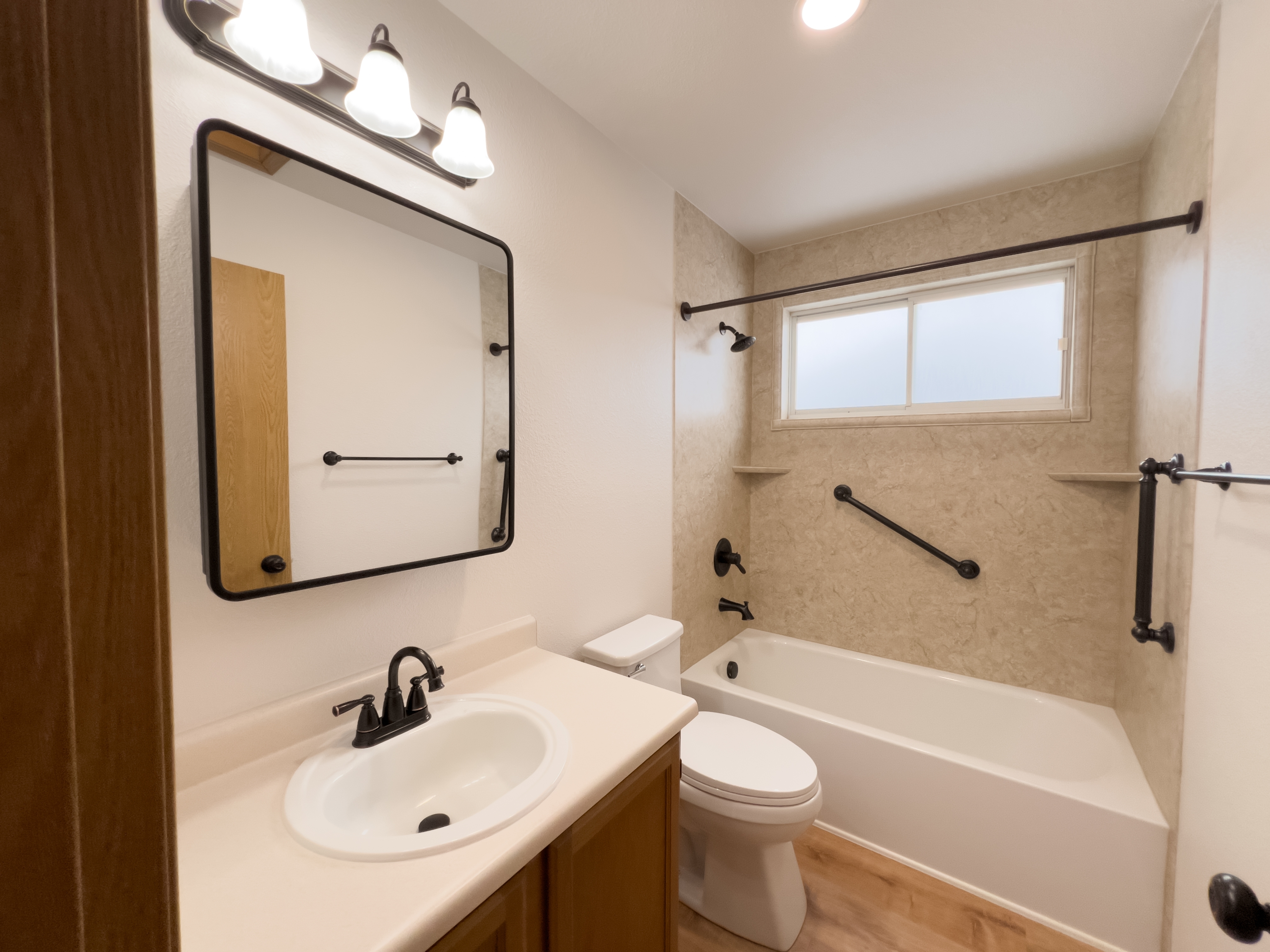
Bathroom Safety for Seniors
The bathroom doesn’t usually raise red flags, yet it’s one of the most common places where falls occur. It feels familiar and harmless, but limited space, hard surfaces, and regular exposure to water can make this room more challenging than expected. Wet floors, traditional tubs, and tight layouts may become harder to navigate as balance and mobility change. Even simple daily tasks like stepping into the tub, reaching for medications, or moving around clutter can take a little extra care to stay safe and comfortable. Let’s take a closer look at four key areas of bathroom safety for older adults: proper medication organization, reducing clutter to prevent falls, safer alternatives to traditional bathtubs, and the importance of grab bars for added support and stability. Medication OrganizationMedications can quickly become confusing, especially as prescriptions change over time. New medications may be added, dosages adjusted, or old prescriptions discontinued, which increases the risk of missed doses or taking the wrong medication. When pills are mixed together or stored in cluttered cabinets, mistakes are more likely to happen. Keeping medications organized helps reduce these risks and supports both safety and independence. Medications should be clearly labeled, stored separately, and checked regularly for expiration. Frequently used items should be kept at eye or waist level to avoid unnecessary reaching or bending. For those who need additional support, Solutions for Living at Home offers medication management and reminder services that help older adults stay organized and consistent with their medications, providing peace of mind for both seniors and caregivers.Reducing Clutter to Prevent FallsA cluttered bathroom can quickly become a fall risk, especially in tight spaces where it’s easy to lose balance. Extra items on the floor or countertops can block walkways, and wet surfaces make slips even more likely. Keeping the bathroom clear and organized is important because it allows for safer, more confident movement during daily routines. Simple changes can help reduce risk, such as keeping floors dry, removing unnecessary items, and placing everyday essentials within easy reach to limit bending or overreaching. Even small adjustments can make the bathroom feel safer and more comfortable to use. Rethinking Tubs: Showers as a Safer Alternative Traditional bathtubs can become a safety concern as balance and mobility change. Stepping over a high tub wall takes strength and stability, and even a small misstep can increase the risk of falls. Choosing a safer bathing option is important because bathing is a daily routine that should feel comfortable and secure, not stressful. Reducing fall risks in this space can help support independence and confidence. Step-in or easy-access showers help lower that risk by offering a low entry point, more room to move, and a safer setup for individuals with mobility or balance concerns. These options can make daily bathing routines easier and safer over time. Grab Bars: Extra Layer of Security Without proper support, simple movements like standing up, sitting down, or stepping in and out of the shower can increase the risk of slips and falls. Wet surfaces and balance changes can make these everyday tasks more challenging than they once were. Having added support in the bathroom is important because it allows older adults to move through daily routines with more comfort and confidence. Grab bars help reduce this risk by offering reliable support near toilets, showers, and bathing areas, making it easier to maintain balance and move safely while supporting continued independence. The bathroom may be small, but it’s one of the busiest rooms in the house and one of the easiest places for accidents to happen. With a little planning and organization, it can also be a space that supports comfort, confidence, and independence at any stage of aging. Small adjustments can make everyday routines easier and more secure. If you or an aging loved one are considering elder care, please reach out to our caring staff. Call today at 803-223-6173.

After the Holidays: What to Do If You’re Worried About a Parent's Wellbeing
As the holiday season winds down, many adult children are returning home with more than just memories. They are carrying concern. Maybe it was a quiet comment from Dad, the bills piling up on the kitchen table, or signs that Mom hasn’t been eating well. These subtle shifts often go unnoticed during short calls or quick visits. But when you're face-to-face for a few days, it’s different.If you are now searching for “in-home care services near me” or wondering how to support an aging parent at home, you are not alone. Let us guide you with compassion and clarity.The Holiday Reality CheckIt’s common. Adult children visit aging parents during the holidays and come away concerned. Maybe you noticed:Unwashed dishes or unopened mailMissed medicationsConfusion or memory lapsesTrouble moving safely around the homeGeneral fatigue or lonelinessThese are often early signs that a parent could benefit from home care or senior support services. These services help maintain independence while providing essential help at home.What Is In-Home Care?In-home care services support older adults with daily tasks while keeping them in the comfort of their own homes. At Solutions, our Solutions Partners provide relationship-based care that may include:Medication remindersMeal preparationLight housekeepingPersonal hygiene assistanceCompanionship and emotional supportEach care plan is personalized. We call this our client match approach because no two families are the same.The Benefits of Starting NowActing early does more than ease your worries. It helps your parent stay independent longer. Families who engage compassionate caregivers early often see:Reduced fall riskImproved nutrition and medication adherenceLess social isolationGreater peace of mind for everyoneGoogling ‘In-Home Care Services Near Me’? Here's How to StartSchedule a Home Safety AssessmentLook for providers who offer complimentary evaluations to understand your parent's needs.Look for Trusted Elder Care ProvidersChoose services that support physical, emotional, and cognitive wellness.Choose Relationship-Based CareAt Solutions, we prioritize consistency and connection so your loved one gets to know their caregiver.Make a Plan TogetherInclude your parent in the care discussion to preserve their dignity and comfort.Why Families Choose SolutionsWith a focus on loving home care and home care excellence, we match families with dedicated Solutions Partners who care deeply about the people they support. Whether your parent needs a few hours a week or daily assistance, we are here to help. Our care is inclusive, personalized, and delivered with heart.Let’s Talk. We’re Here When You’re Ready.If you're finding yourself in the position to start this search, know that compassionate support is just a conversation away. Let’s explore how we can help your family with personalized, professional, and kindhearted care.Contact us today to schedule your free consultation and take the first step toward greater peace of mind.

Supplements Your Elderly Parent May Need
Older adults sometimes don’t get all the nutrition they need from the food they eat. When that happens, it may be helpful for them to take supplements. However, it can be difficult to know which supplements they need. The best way to find out is to talk to their doctor, but it can be helpful to go into the conversation with some information about supplements older adults often need. What Are Supplements? Dietary supplements are substances, like vitamins and minerals, that a person needs to add nutrients to their diet, or to reduce the risk of developing a health problem. They come in many different forms, including: Pills. Capsules. Tablets. Powders. Extracts. Liquids. Supplements do not require prescriptions, but you should talk to the senior’s doctor before they take anything new. Some medications can interact with supplements. Make sure the doctor has an updated list of all the medications, both prescription and over-the-counter, so they can make an accurate determination of whether a supplement is alright for the older adult to take. Which Supplements Should Seniors Take? Although eating a variety of healthy foods, including lots of fruits and vegetables, is the best way for your aging relative to get all the nutrients they need, sometimes supplements are necessary. Some common supplements that older adults need are: Calcium: As people age, they start to lose more calcium than they take in. This is especially true for women. A lack of calcium contributes to bones becoming thinner and weaker, which makes them break more easily. Some foods that contain calcium are milk, yogurt, and cheese. Vitamin D: Vitamin D is necessary for the body to absorb calcium. Older adults can get vitamin D by sitting in the sunlight for 15 to 30 minutes per week. Vitamin D is also found in fortified foods, like cereals, milk, and juice. Vitamin B12: Being deficient in vitamin B12 has been associated with an increased risk of dementia. Age-related changes make it harder for the body to absorb B12 from food after the age of 50. Because of this, older adults often need to take B12 as a supplement. Protein: At around age 70, older adults lose much of their ability to increase muscle mass. The need for protein increases for seniors as they age, but they may have a harder time getting it through their diet because of appetite loss or other issues. The doctor may recommend using a protein supplement, such as a powder that is added to foods or beverages or commercially available protein drinks. Senior care can help your older family member to get enough nutrients to keep them healthier. Senior care providers can plan and prepare balanced meals comprised of a variety of foods. If the older adult is taking supplements, a senior care provider can remind them when it is time for them to take supplements and other medications. If you or an aging loved-one are considering Senior Care in Springdale, SC, please talk to our caring staff. Call today (803) 223-6173. Sources https://www.webmd.com/healthy-aging/ss/slideshow-aging-vitamins-older-people https://www.aarp.org/health/drugs-supplements/info-2015/must-have-supplements.html https://www.nia.nih.gov/health/dietary-supplements

Solutions for Living at Home Recognized as Best of Home Care – Leader in Experience for Third Consecutive Year
Solutions for Living at Home announced today that it received the distinguished 2025 Best of Home Care –Leader in Experience, Provider of Choice, Employer of Choice Awards from Activated Insights, the leading firm in experience management for home care businesses and endorsed by the Home Care Association of America. The Leader in Experience Award is the highest recognition awarded by Activated Insights and is given to select home care businesses that consistently rank among the very highest in ten or more quality metrics. As a Leader in Experience, Solutions for Living at Home is now recognized among the top 10% of home care providers participating in the nationwide Activated Insights Experience Management Program and is one of only seven home care providers in South Carolina to receive this distinguished recognition. This three-time accomplishment demonstrates Solutions’ long-term dedication to excellent care and quality improvement. Esther H. Ilderton, Director of Solutions for Living at Home, says, “To be recognized for the third consecutive year as the Leader in Experience is truly an honor and I am extremely proud of our team. They are passionate about enriching the lives of our clients.” Over a 12-month period, Solutions for Living at Home consistently received high client and caregiver satisfaction ratings in un-biased benchmarked areas such as caregiver training, compassion of caregivers, communication, scheduling, client/caregiver compatibility, and more. With this recognition from a national leader in home care excellence, the increasing number of families seeking in-home care can be confident they are choosing a trusted and highly regarded provider. “It means so much to be awarded [these awards] because it shows the community recognized our commitment to those who need in-home care services. Our caregivers, scheduling team and administration work diligently to ensure we always provide each client with the best in-home care services throughout the Midlands,” says Ilderton. Solutions works closely with Activated Insights to ensure they are continuously improving and providing top-rated care to their clients. “When we see agencies like Solutions that have so effectively provided outstanding care and employment experiences, we know we’re on the right track,” says Bud Meadows, Chief Executive Officer of Activated Insights. As South Carolina prepares to meet the needs of a growing number of older adults who wish to age in place, home care agencies like Solutions for Living at Home – committed to providing the highest quality in-home care – will play a crucial role in ensuring seniors’ needs and desires are met within their communities. To find out more about Solutions for Living at Home and their commitment to excellence in client experience, please visit solutionsforlivingathome.org or call (803) 223-6173.

Three Tips for Visitors Who Have a Tough Time Leaving
Without dementia, your senior might have walked guests to the door to wave them on their way when it was time for them to go. Once dementia starts to take hold, however, that can change how your senior responds when it’s time for visitors to go. She might work herself into a terrible emotional state. Some of these ideas can make those departures a little less of a trial for her. Distract Your Senior from What’s Happening Distraction is a technique that works for people with dementia. Sometimes caregivers and family members feel awkward or guilty using distraction to help people to leave, but it can really be helpful. Introducing activities that your senior enjoys or even just taking her to another room while visitors slip out might be the easiest way to get things done. When your elderly family member comes back into the room, she may not notice for a while that her visitor has left. This can be far less traumatic for your senior than watching someone leave after a visit. Switch Some Activities Around a Bit Sometimes it’s a good idea to rearrange your senior’s schedule a little bit. While people with dementia do thrive on routines and schedules, it doesn’t hurt to occasionally move something up or down a little bit in the timeline. Perhaps when your elderly family member’s visitor is ready to leave, she has lunch right then instead of waiting a little while. This is especially helpful if your elderly family member has been entertaining her visitor in the living room and usually eats in the kitchen or dining room. Relocating her for the next activity can help her to draw a line between those experiences, allowing the visitor to leave with a little less fanfare. Try a Variety of Techniques Every technique might not necessarily work every time. You may find that you need to try out a variety of different techniques here and there to find the right combination for your senior’s needs. It might help to work with elderly care providers with this sort of issue. They’ve got experience in helping adults with dementia get past their upset at having family members leaving to go elsewhere. Their tips can help you to find a solution that makes this an easier situation for your elderly family member. It’s always tough to see your elderly family member in an unhappy emotional state. Unfortunately, visitors can’t stay for undetermined amounts of time. If leaving is difficult for some of your senior’s visitors, try some of these ideas to see if they give her and you a little more peace. Excerpt: Some of your senior’s visitors might find that with dementia, it’s a little more difficult to take their leave. These tips can help. If you or an aging loved-one are considering Elderly Care in Gilbert, SC, please talk to our caring staff. Call today (803) 223-6173.

Use These Tips to Help a New Caregiver Succeed
Caregivers help seniors age at home, but some seniors are reluctant to truly rely on a caregiver. Make sure your mom or dad's new caregiver succeeds. Use these tips to form a strong partnership in your parents' elderly care needs. Be There Without Being in the Way A caregiver may find it easier if you are available for the first few days. That doesn't mean you should be hanging over the caregiver's shoulder. If you can work from home, set up a work area in a den or quiet room and get to work. If the caregiver has questions, he or she can come to you. If your parent is being particularly difficult, you can sit back and observe quietly. See how the caregiver responds. You don't have to mediate arguments, but you can help if your parent is being particularly cruel or stubborn. Find Similar Interests Find interests that the caregiver shares with your parents. If the caregiver enjoys gardening and your mom loves to garden, bring that up. They could spend time working in a garden while they get to know each other. Prepare Your Mom or Dad in Advance Talk to your mom or dad before the caregiver is due to arrive. Go over what the caregiver is there for and why it's important to you. They may be nervous or uncertain they need help, so you can emphasize the caregiver is there for your peace of mind. If you've involved your parent in the hiring process, this may go smoothly. If they feel involved in the decision making, it's better than if they feel that you're springing something on them. Give a Home Tour and Make Introductions Introduce the caregiver to your parent. Give the caregiver a full tour of the home and show the caregiver how to run the dishwasher, washing machine, dryer, vacuum, and other appliances. Show the caregiver where dishes and items like trash bags and toilet paper are stored. Go over any rooms or items that your parent prefers the caregiver not enter or touch. Watch Your Body Language Even if you have a disagreement with something the caregiver does, do not make it apparent in front of your parent. Your mom or dad may pick up on your unease or annoyance and take it out on the caregiver. Remember that the caregiver is trained to do things a certain way. That doesn't mean it's the wrong way. If the task gets completed, how it is done is less important than the fact that it's done. If you or an aging loved-one are considering a Caregiver in Chapin, SC, please talk to our caring staff. Call today (803) 223-6173.
What Can You Do When Other Family Members Just Don’t Understand?
What Can You Do When Other Family Members Just Don’t Understand? Other family members may stop in and visit your senior, which is a wonderful thing. What isn’t so wonderful can be how they might say one small thing that undoes all of the hard work that you’ve done to convince your senior to accept help or any number of other things. They do this because they don’t understand. Practice Patience More often than you think, other family members are going to do or say something that is contrary to what you and your senior have worked out as part of her care plan. Usually they don’t mean anything by this. These comments are usually some sort of toss away remark that has more weight than expected because of your senior’s situation. Practicing patience is important when this is going on. Educate Them, if Possible The first step in making some progress with this issue is to educate your family members, if that’s at all possible. If they don’t understand the weight of their statements, having more information can sometimes be helpful. Education can be the first step in helping these other family members to have a better understanding of what your senior is dealing with on a daily basis. Don’t Sugarcoat Things It might be tempting to dress things up a little bit or to sugarcoat them. This happens because hard truths are hard to share. The problem is that often that means you’re leaving out vital information that your other family members need in order to really support you and your aging family member. So it’s best to go with unvarnished truth, but not in an unkind way. Keep Doing What You Need to Do The ultimate goal for you is that you keep doing what you need to do for your senior, even if other family members are trying to “help” by tossing out unsolicited advice. Hiring senior care providers can help you to have the space and the assistance that you need to ensure that your senior is getting what she needs. Other family members go home, but you and your senior are still there in that same situation. It’s not always easy to make sure that other family members are all in the loop about everything. But you can do your best and help them to understand what still doesn’t make sense to them. In the end, if they’re interfering with your senior’s care, you may need to tell them exactly that. If you or an aging loved-one are considering Senior Care in Blythewood, SC, please talk to our caring staff. Call today (803) 223-6173.