Signs of dehydration that aren't 'feeling thirsty.'
June 11, 2026
There is no argument that Columbia, South Carolina has earned its “famously hot” nickname. In June, July, and August, we frequently see temperatures in the low to mid-nineties. It’s simply weather we have come to expect. But, with this scorching summer heat comes an added risk to our seniors’ health: dehydration.
Severe dehydration is a medical emergency. Obvious confusion, fainting, fever, lethargy, and vomiting are immediate indicators that you need medical care. But early dehydration has many warning signs if you know what to look for.
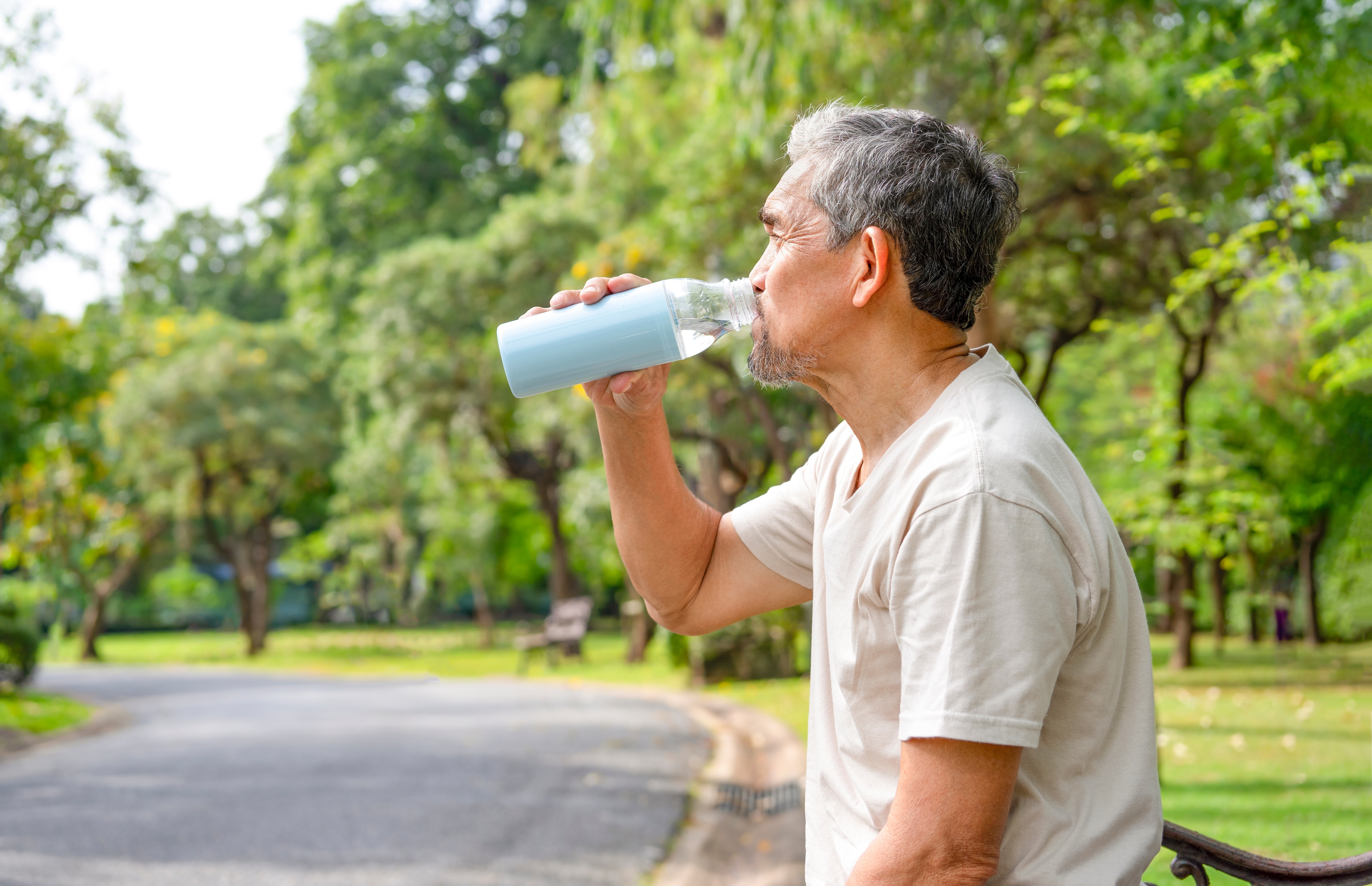
Fun fact: seniors often can’t rely on the feeling of thirst to indicate their body’s need for more fluids. That feeling can diminish with age. Coupled with the fact that older adults have smaller fluid reserves in their bodies, this puts our elders at greater risk of slipping past early dehydration and into an emergent medical state. But there are plenty of additional indicators that increased fluid intake is priority number one.
Urinating less
The average adult urinates 7 times a day. If the frequency drops below that average significantly, your fluid intake should increase.
Dark-colored urine
Urine should be pale yellow when well hydrated. A deep yellow is an early sign that water intake isn’t adequate, and the darker the urine, the worse the dehydration. It’s important to note that urine that is so dark it is tea-colored is worth a call to your doctor.
Skin that doesn’t flatten immediately when pinched
When you are hydrated, your skin naturally rebounds back to flat when pinched. A 2—4 second return is a sign of mild to moderate dehydration. Any longer than 4 seconds indicates severe dehydration.
Unusually bad breath
As uncomfortable as this indicator may be to discuss, unusually bad breath (especially when good oral hygiene is followed) is actually an indicator of dehydration! Oral bacteria thrive in dry environments, and dehydration reduces the production of saliva, leading to a quick boost in odor-causing bacteria. So, skip the breath mint and seek out a beverage instead.
Feeling hungry
It may seem contradictory, but hunger, especially after a recent meal, can indicate that the body needs more fluids. The brain uses similar signaling pathways to alert for both hunger and thirst. So, feeling chronically hungry or hungry so soon after a hearty meal is likely the body signaling it actually needs a tall glass of water.
Sunken eyes or cheeks
The skin requires adequate hydration to remain plump and elastic. As someone becomes dehydrated, the skin on the face is quick to lose the structure that hydration allows, making the under eyes appear to “sink” into the eye cavity and the cheeks to sink under the cheekbones. If you are monitoring dehydration for a loved one, this is an easy sign to spot through mere proximity, no physical exam (like skin pinching) needed!
Tiredness
It may be worth reaching for a glass of water before the cup of coffee to see if dehydration was causing that extra fatigued feeling.
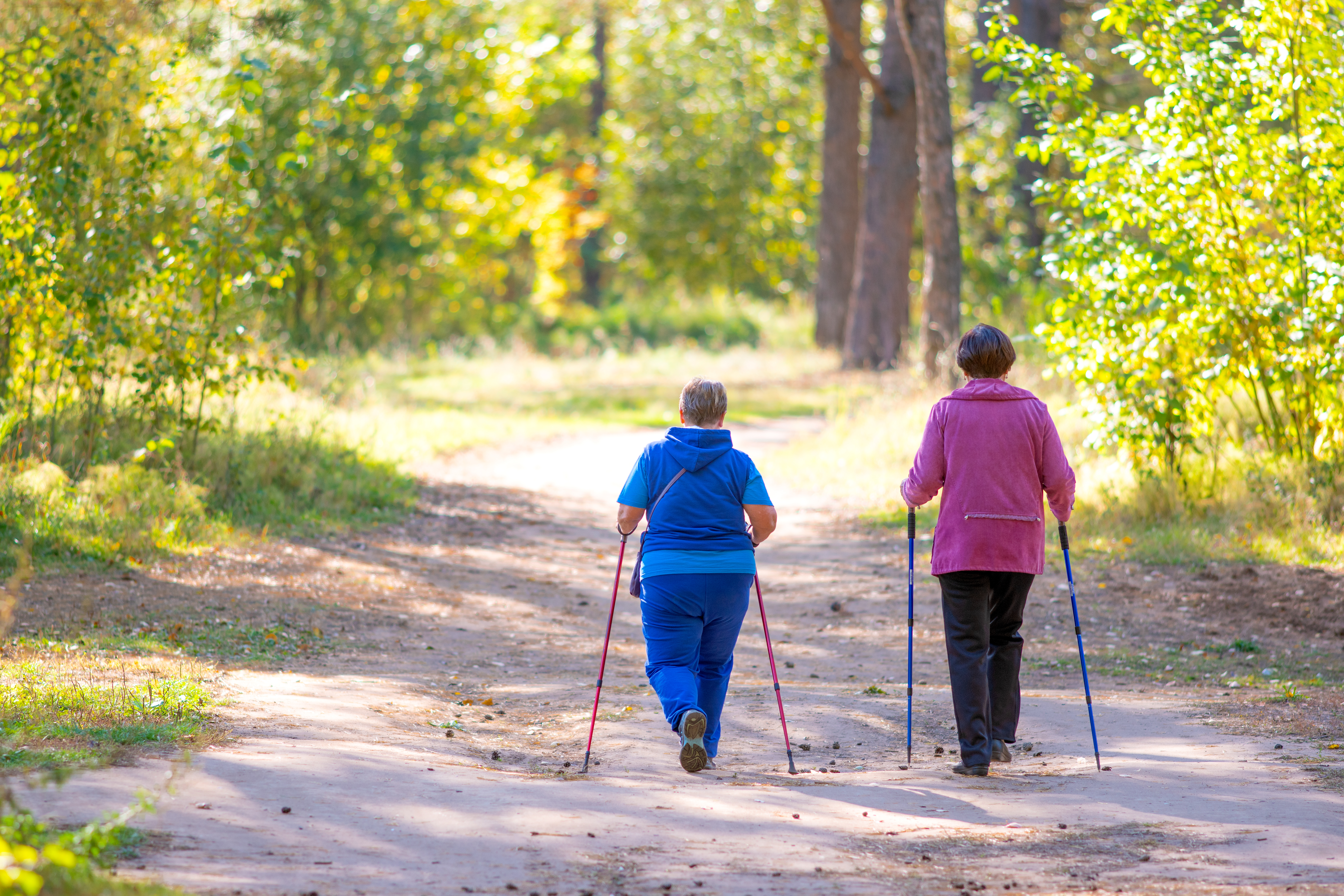
Staying active is incredibly important for seniors at any stage. Getting outside for a walk, venturing downtown to visit friends, or even having coffee with a caregiver on the porch are great ways to keep the mind and body stimulated, even in the heat of summer. Aim for early morning or mid evening scheduling, always have fluids available, and stay in tune with what your body may be trying to tell you about your health.